
As the Africa Food Systems Forum closes in Kigali, the urgent question is not whether money exists. It is whether enough of it can reach the African food businesses creating jobs, resilience, and local value.
Category: Business

Lagos Is Hosting the AI Conversation Africa Cannot Afford to Outsource
GITEX Nigeria brings startups, investors, banks and public agencies to Lagos, showing why Africa’s AI future must be built, funded and governed from the continent.

Why Ventures Platform’s $84M Fund Matters for Africa’s Startup Future
Ventures Platform’s 84 million Pan-African Fund II signals a more disciplined era for African startup capital, founders and diaspora investors.
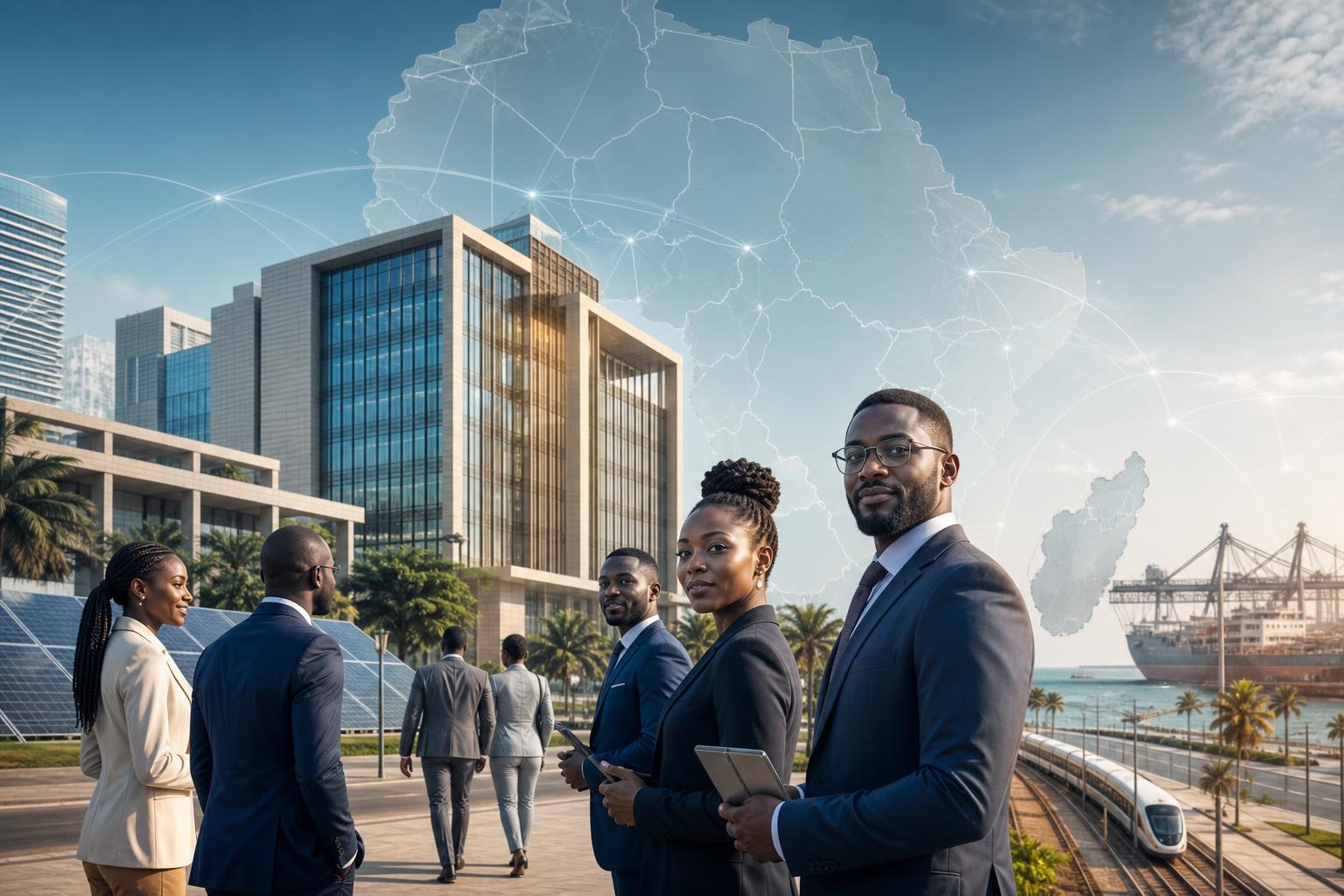
West Africa’s Development Bank Just Got a Credibility Upgrade. Here’s Why It Matters.
Moody’s moved EBID one notch higher, and the signal is bigger than a rating note. West Africa is trying to build institutions that can finance infrastructure, energy, health, and private-sector growth on stronger terms.
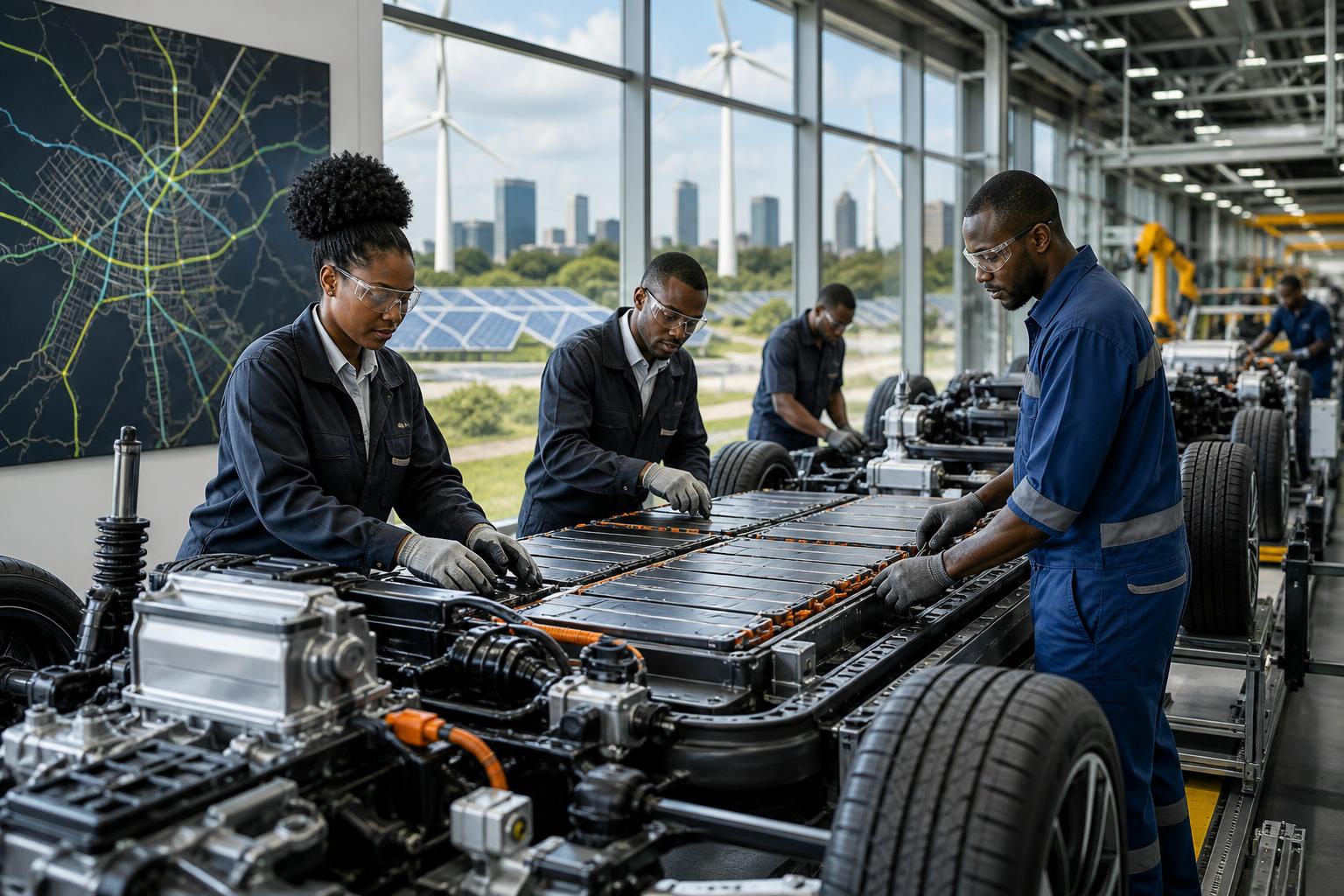
Chinese EV Makers Are Moving Into Africa. Who Gets the Real Value?
Chinese automakers are moving EV production into Africa. The big question is whether African countries capture jobs, batteries, skills, and real value.
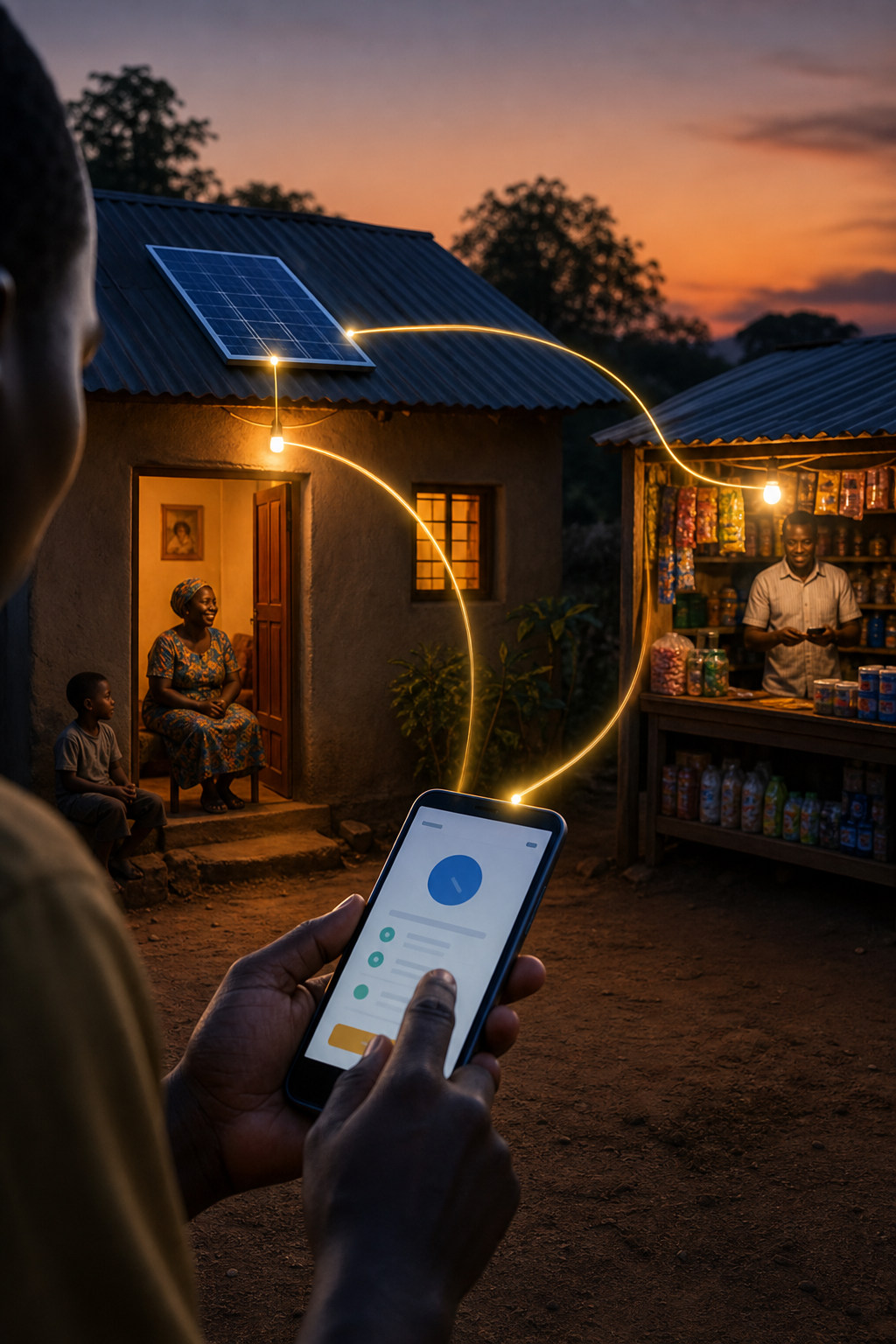
Africa’s Solar Power Shift Is Becoming a Finance Story
Africa’s off-grid solar sector is attracting mainstream finance as pay-as-you-go household payments become a new path to energy access.
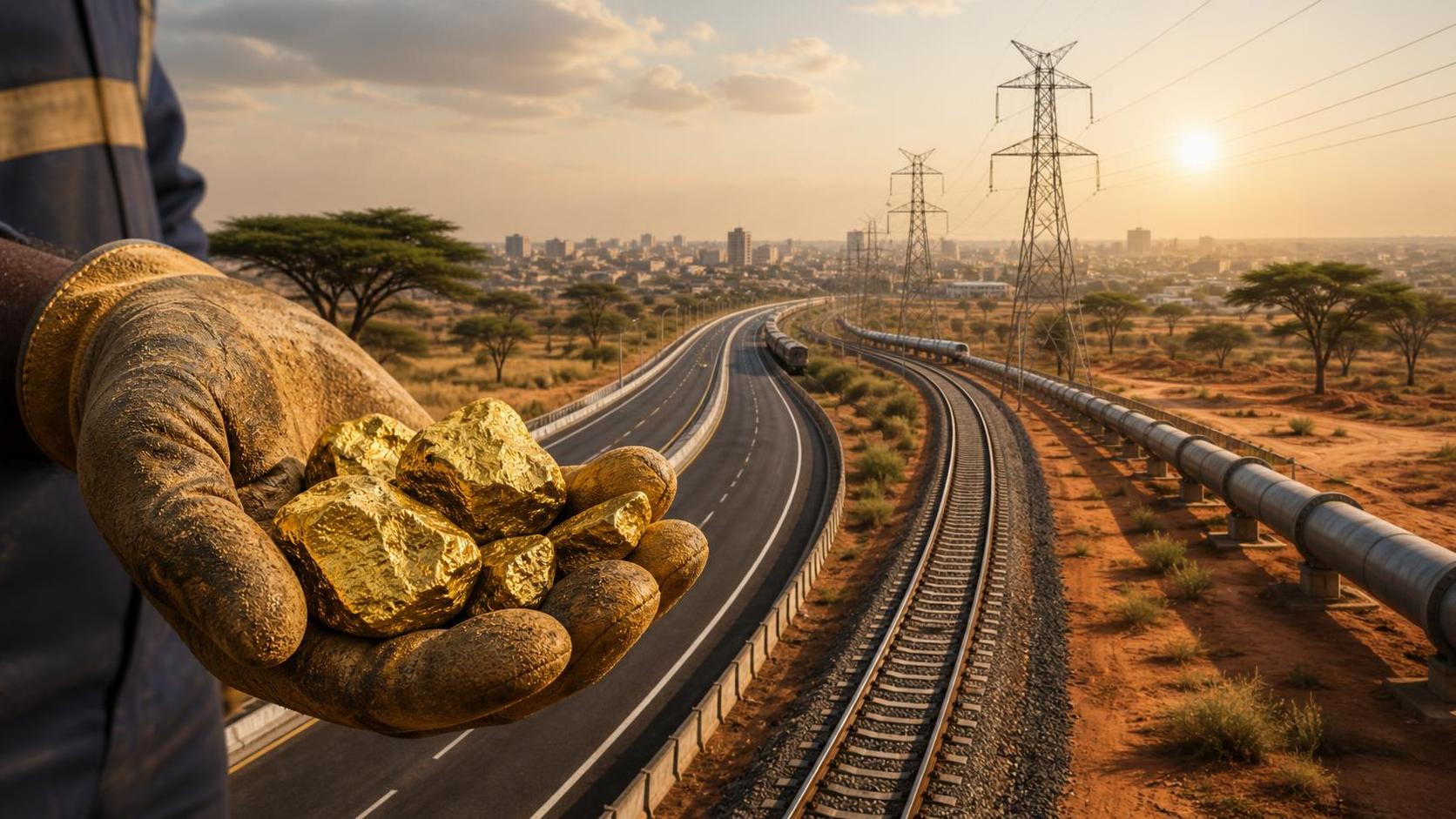
Mali’s Mining Windfall Test: Can Gold Build Roads, Water, and Power?
Mali says mining reforms could unlock up to $883 million for infrastructure. The real test is whether gold revenue becomes roads, water, power, and public accountability.
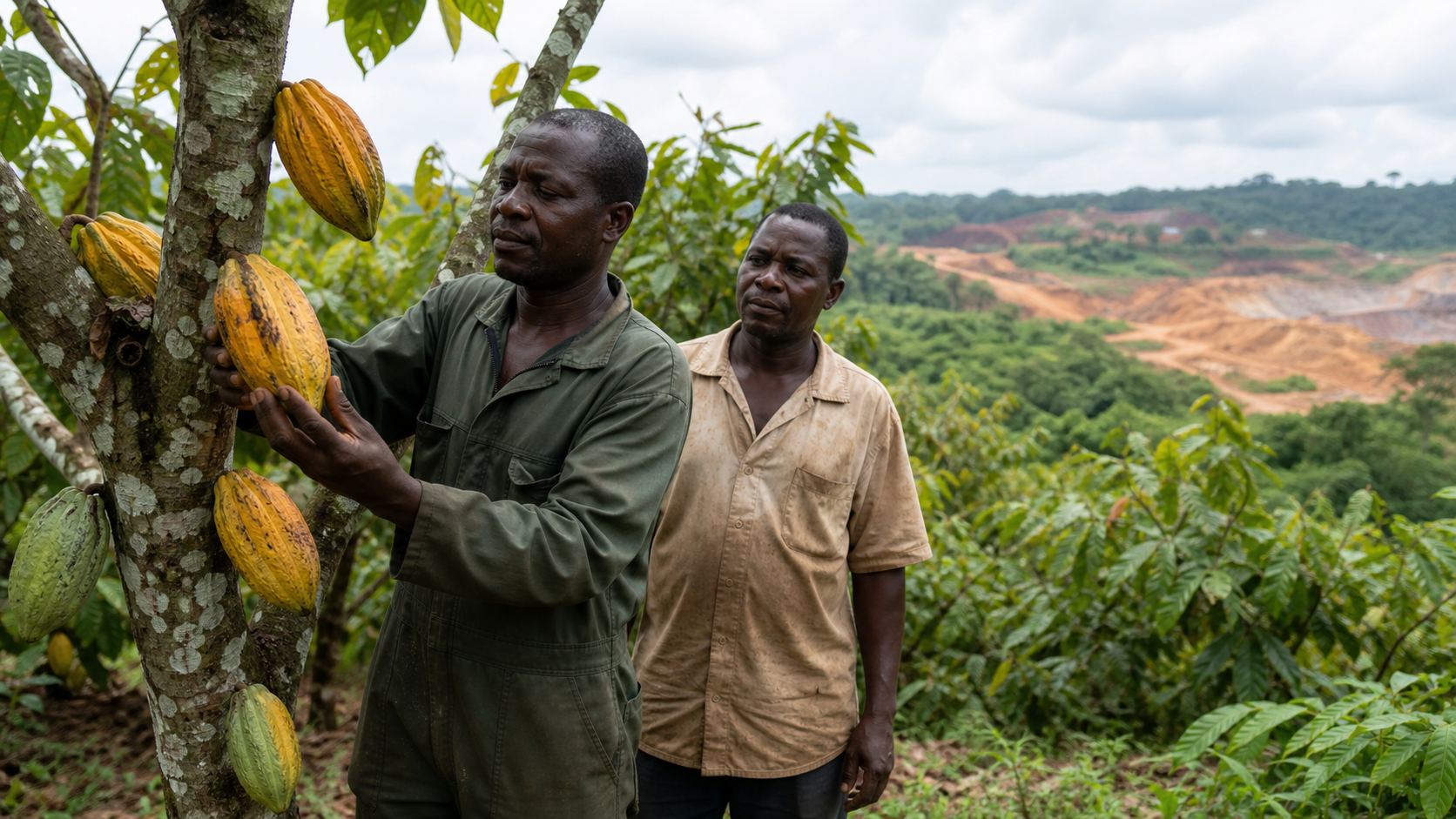
Ghana’s Cocoa Protection Bill Puts Farmers At The Center Of A Global Chocolate Fight
Ghana is moving to protect cocoa farms from illegal mining and land conversion, but farmers say any protection law must also protect the people sustaining the global chocolate economy.

Madagascar’s First Billionaire Is Building The African Infrastructure Story We Do Not Talk About Enough
Madagascar’s Hassanein Hiridjee and Axian show how African-owned telecom, energy, and fintech infrastructure is shaping the continent’s next business story.