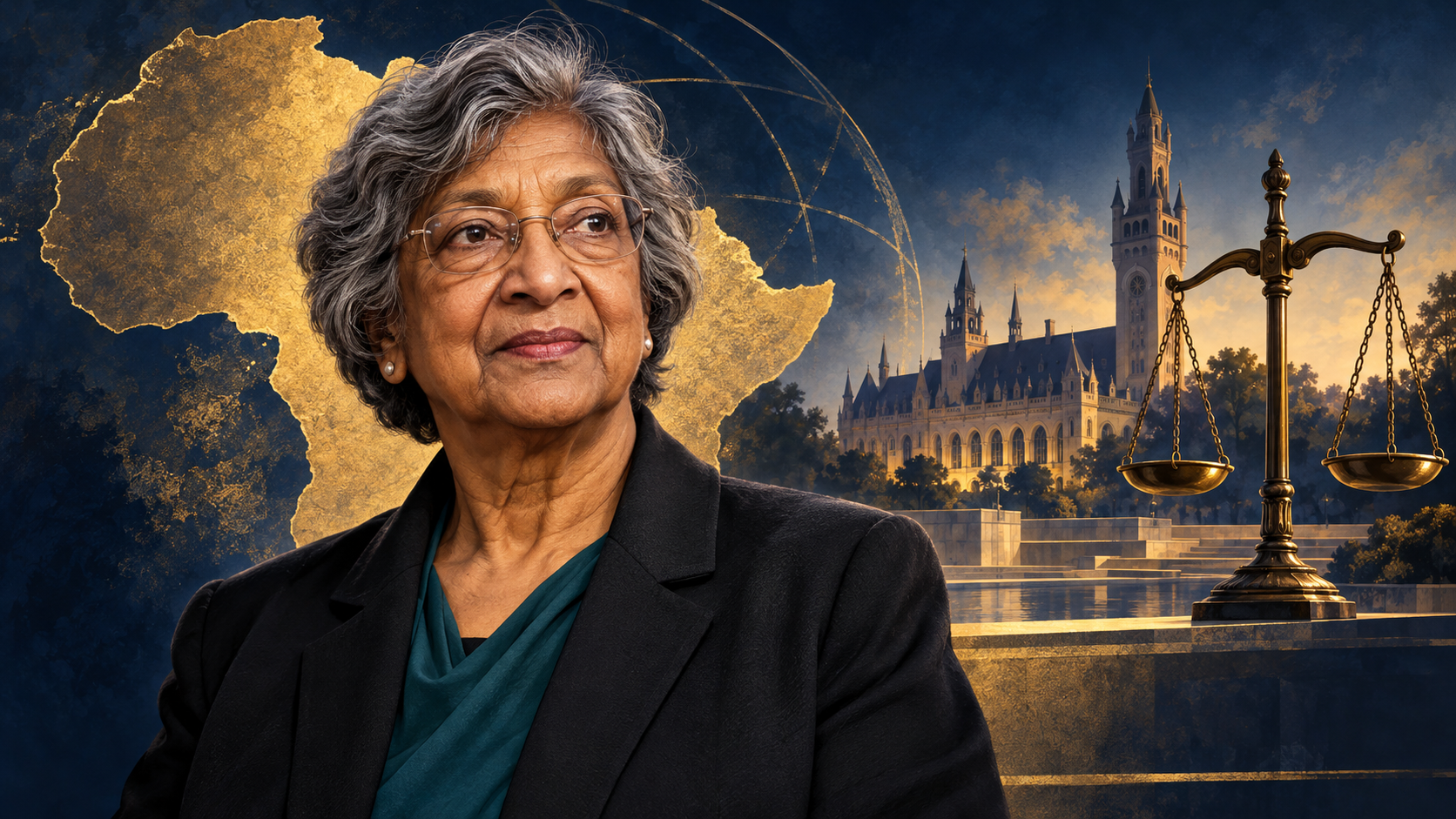
The South African jurist’s 2026 Nobel Peace Prize is a global recognition of African leadership in international law at a moment when the rule-of-law system is under pressure.
Author: Kawa AMOS
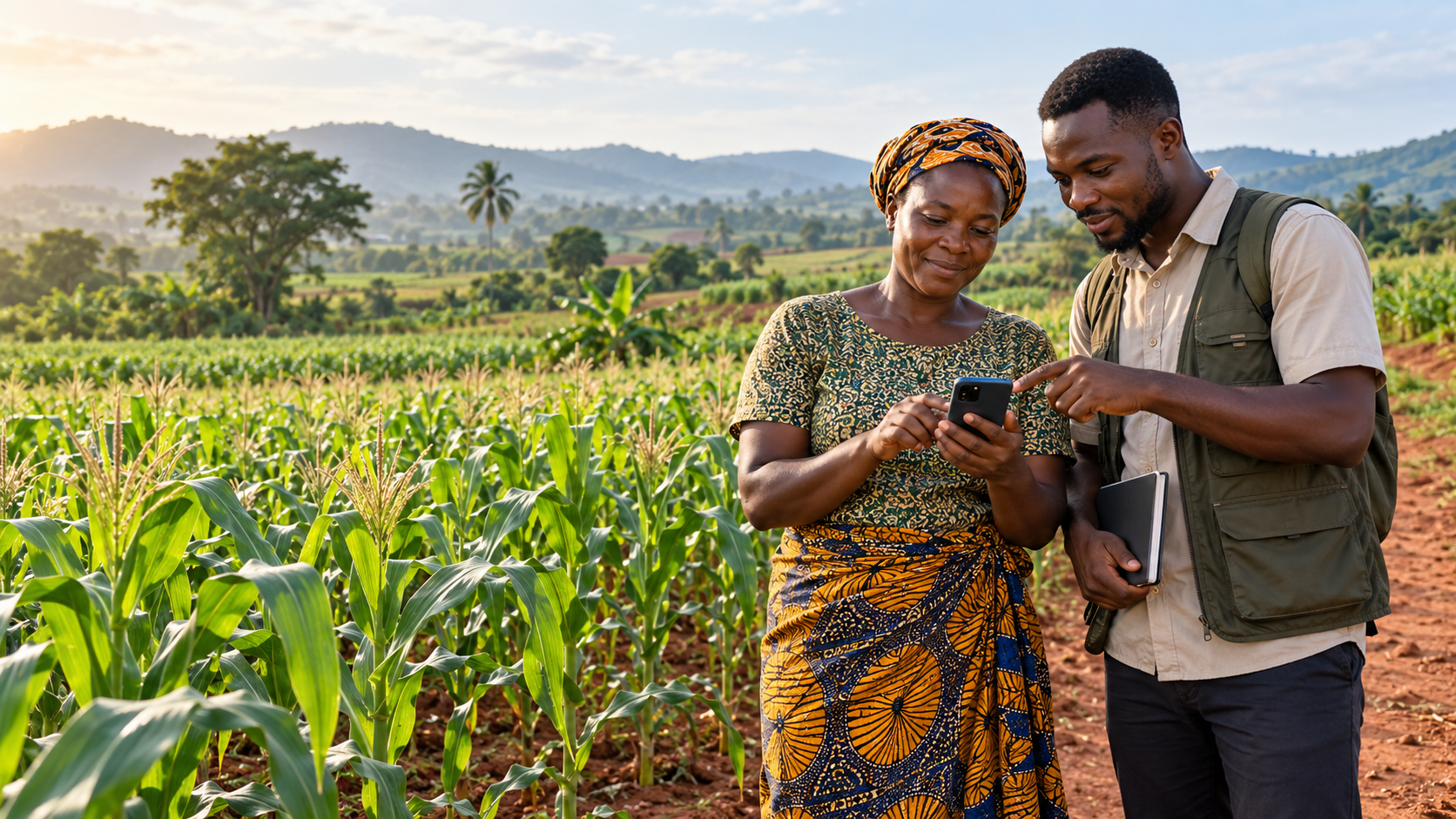
Ghana’s Smallholder Finance Push Shows Where African AgTech Is Growing Up
IFC’s backing for Absa Bank Ghana and Complete Farmer points to a bigger shift in African agriculture: finance, buyers, data and trust built into one system.

West Africa’s Housing Gap Just Got a Local-Currency Test
Shelter Afrique Development Bank’s FCFA 60 billion sustainable bond is a test of whether African savings can finance African housing without forcing borrowers to carry dollar risk.

Dakar 2026: Africa’s First Olympic Stage Begins With A Flame In Senegal
The Olympic flame has arrived in Senegal. Dakar 2026 is not just a sports event; it is Africa stepping onto an Olympic stage it has long helped build.

The Diaspora Language Comeback: Young Africans Are Reclaiming Mother Tongues Online
For many young Africans in the diaspora, reclaiming a mother tongue is not nostalgia. It is family, identity, business, and digital survival.

Africa’s Food Future Is Not Waiting for Aid. It Is Waiting for Smarter Capital.
As the Africa Food Systems Forum closes in Kigali, the urgent question is not whether money exists. It is whether enough of it can reach the African food businesses creating jobs, resilience, and local value.

Africa’s Rangers Are Learning the Tech Stack of Conservation
African conservation workers are training with drones, sensors, cameras, solar power, and GIS tools, showing why the future of biodiversity protection depends on local technical capacity.

Africa’s Newsrooms Are Training for the AI Age
A new pan-African media innovation programme is training 42 journalists from 10 countries for the AI age, with lessons in trust, sustainability, and African narrative power.

August 31 Is the Diaspora’s Mirror: Why People of African Descent Day Matters Now
International Day for People of African Descent connects recognition, justice, culture, and diaspora belonging to a practical global agenda.