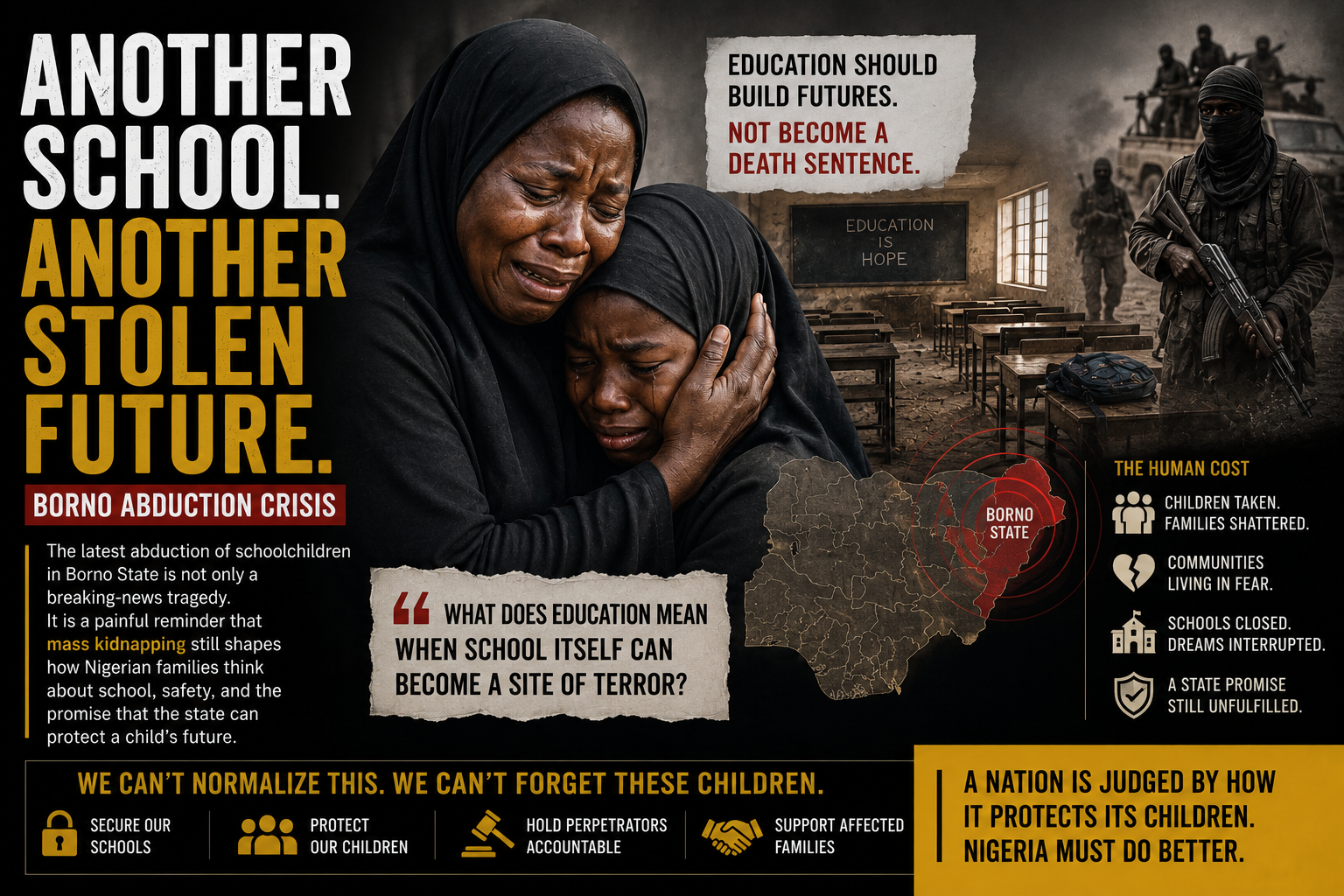
Another school abduction in Borno has reopened one of Nigeria’s deepest national wounds. The sharper story is not only the kidnapping itself, but what repeated attacks on children do to parental trust, education, and the state’s claim to protect ordinary families trying to build a future through school.
Author: Kawa AMOS

Alexx Ekubo’s Death Is More Than a Celebrity Loss. It Reveals How Nollywood Carries African Soft Power.
Alexx Ekubo’s death is more than an entertainment headline. This ADUNAGOW feature argues that Nollywood personalities like him became part of Africa’s soft-power architecture — carrying style, memory, familiarity, and emotional connection to audiences across the continent and diaspora.
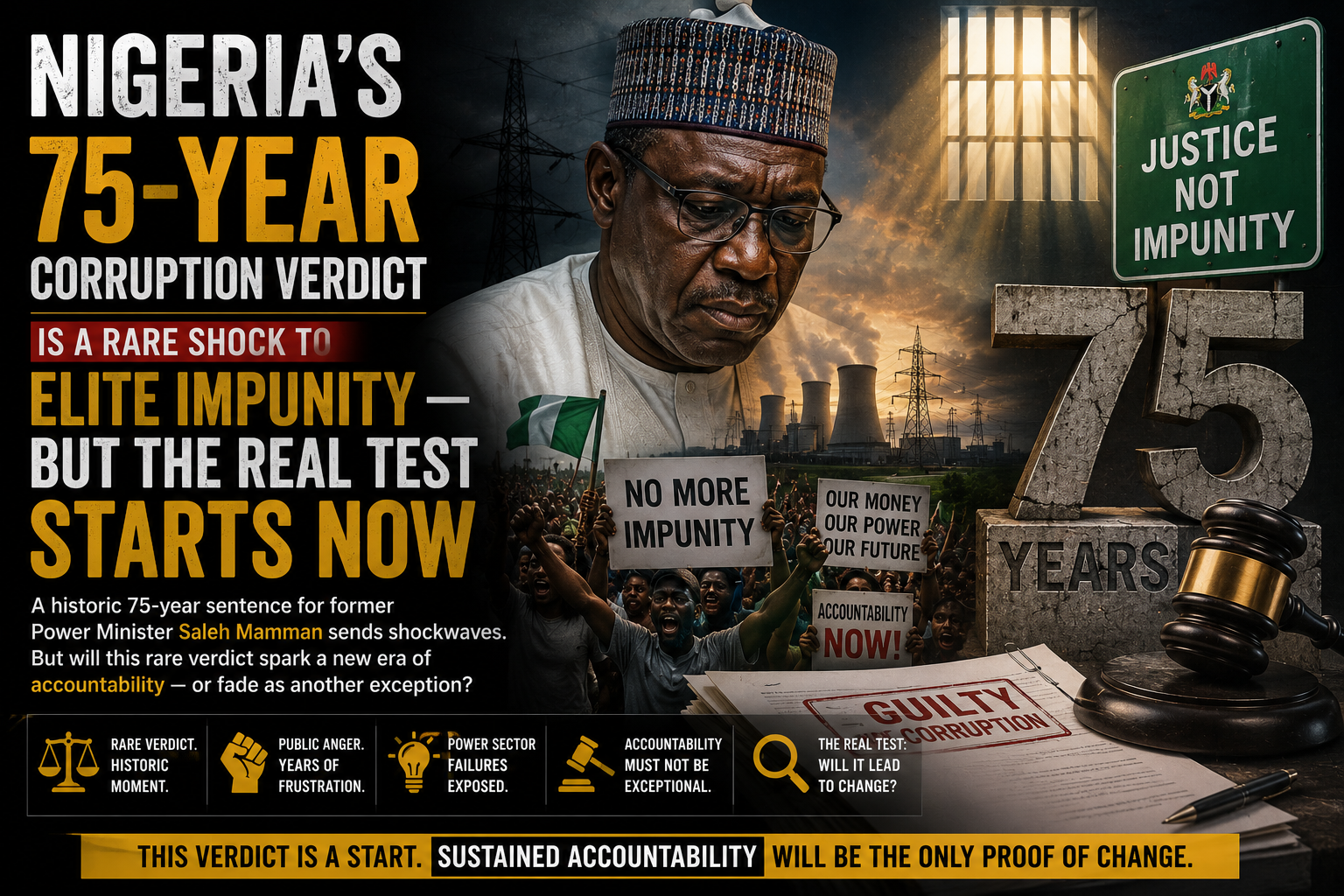
Nigeria’s 75-Year Corruption Verdict Is a Rare Shock to Elite Impunity — but the Real Test Starts Now
Nigeria’s 75-year sentence for former Power Minister Saleh Mamman has landed like a political jolt across the continent. But the bigger issue is not just the punishment itself. It is whether this rare corruption verdict signals a deeper shift in elite accountability — especially in a power sector long tied to public frustration.
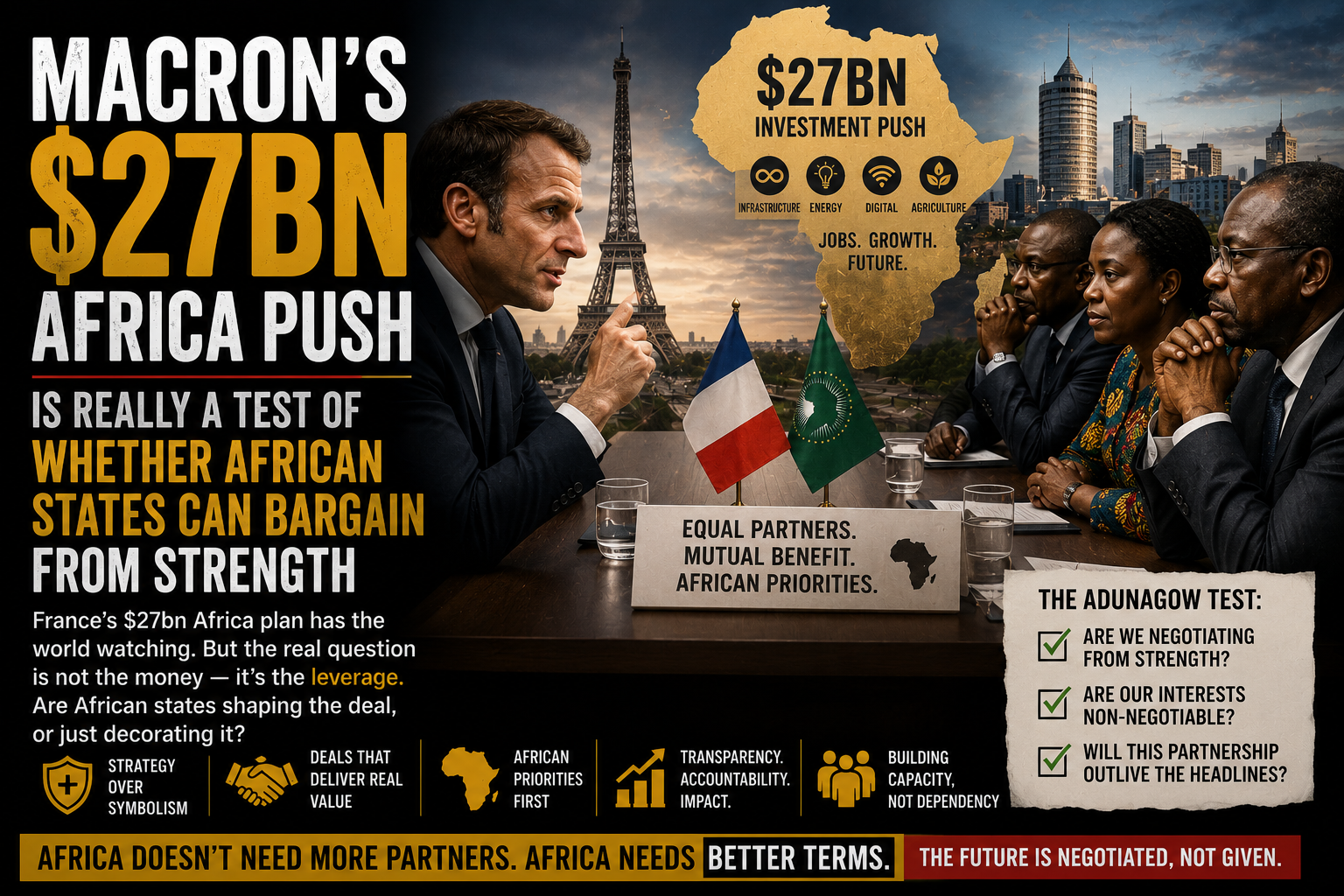
Macron’s $27bn Africa Push Is Really a Test of Whether African States Can Bargain From Strength
France’s 7bn Africa investment push has produced a headline built for global attention. But the sharper ADUNAGOW question is whether Kenya and other African states are finally negotiating from a position of strategy and leverage — or simply hosting a polished new version of old influence politics.

The New African Soft Power Story Is Happening in Music, Fashion, and Film
African culture is no longer simply breaking through globally. It is building leverage. From Afrobeats growth to fashion’s international runway presence to film’s economic potential, this article argues that music, fashion, and cinema now function as soft power systems that influence tourism, jobs, exports, and Africa’s global image.
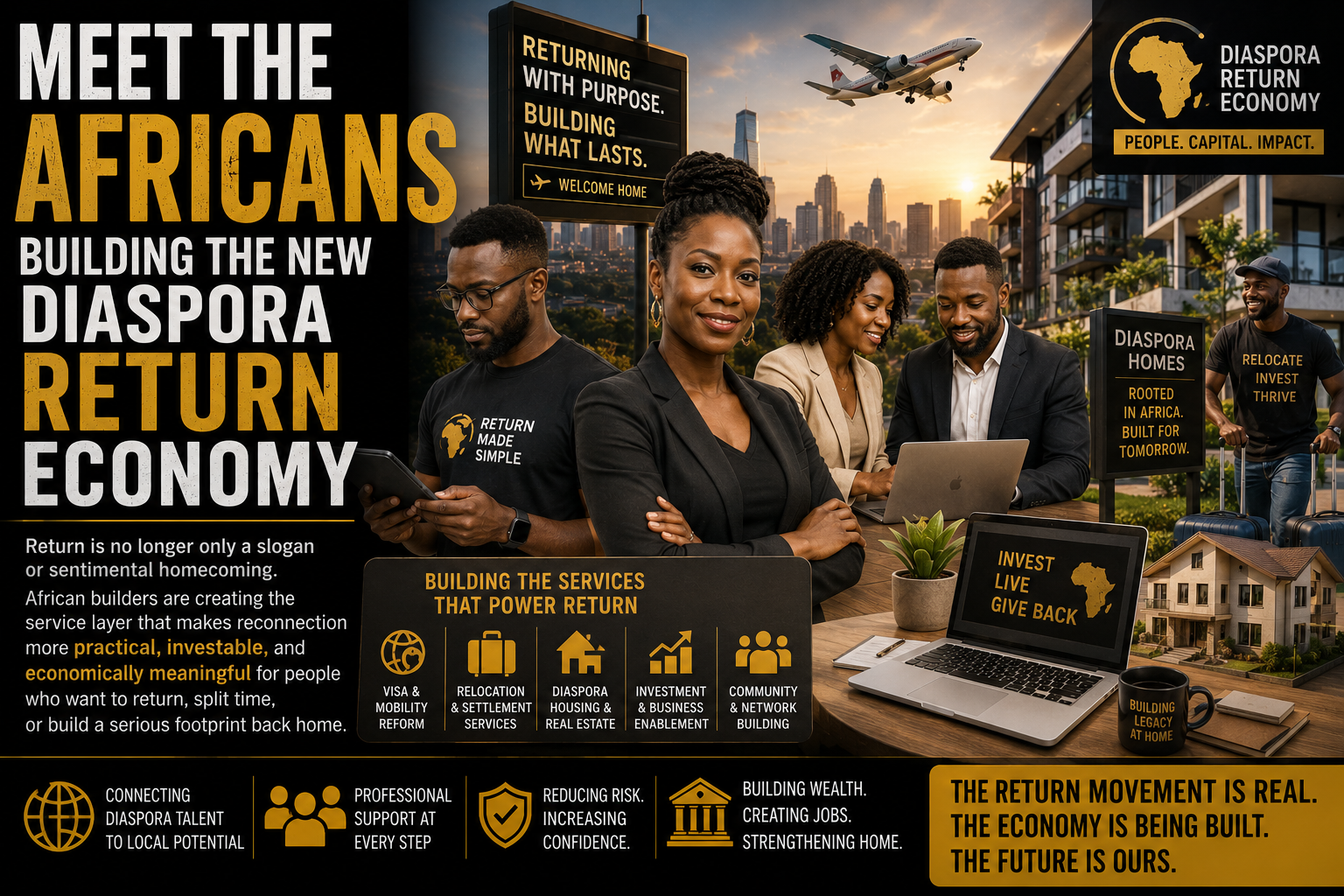
Meet the Africans Building the New Diaspora Return Economy
Return is no longer only a slogan or sentimental homecoming. From visa reform to relocation firms to diaspora-focused housing, African builders are creating the service layer that makes reconnection more practical, investable, and economically meaningful for people who want to return, split time, or build a serious footprint back home.
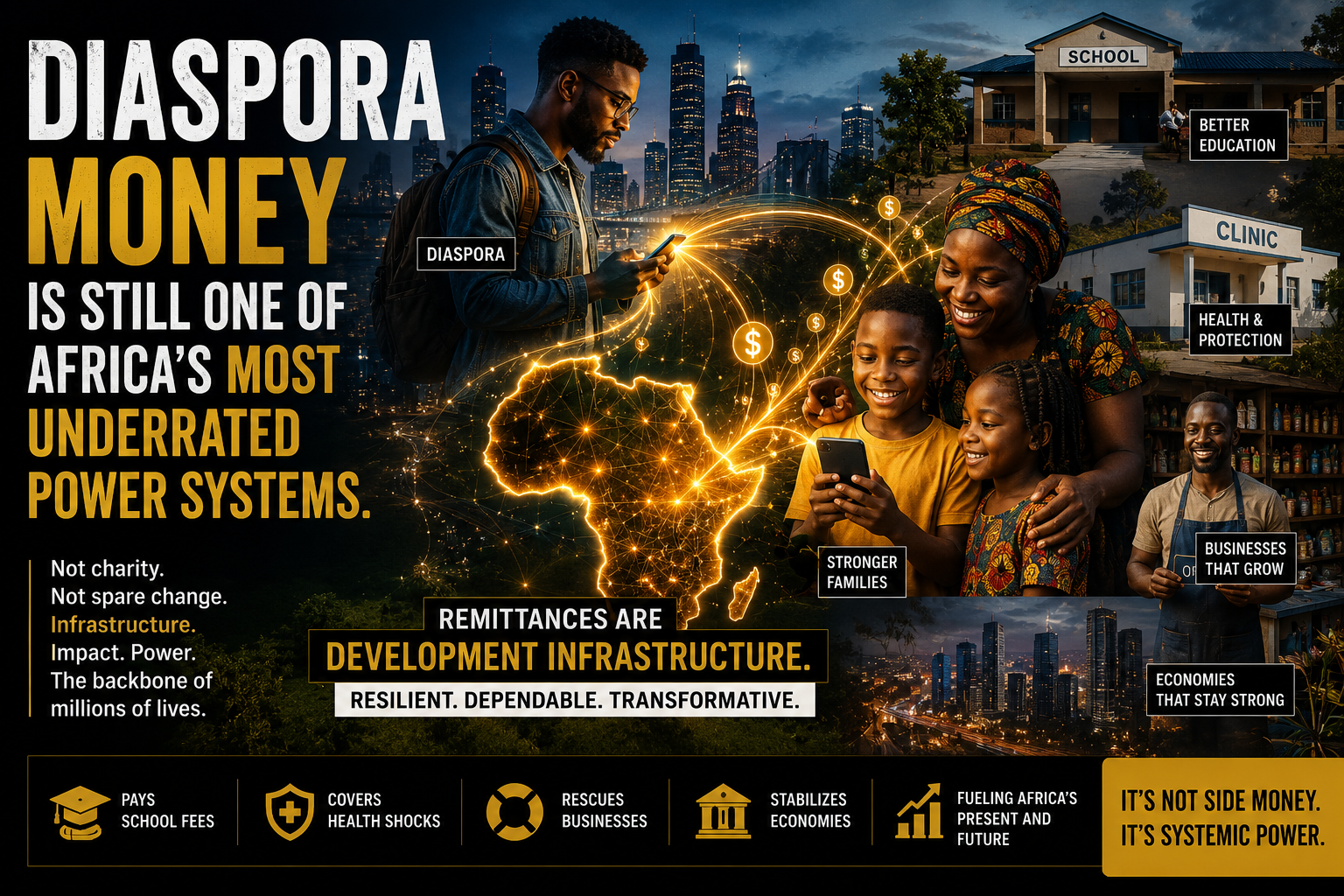
Why Diaspora Money Is Still One of Africa’s Most Underrated Power Systems.
Diaspora money is not side money. It pays school fees, covers health shocks, rescues businesses, and stabilizes economies across Africa. This article argues that remittances should be understood as critical development infrastructure, especially when flows remain large, resilient, and more dependable than many better-celebrated forms of capital.
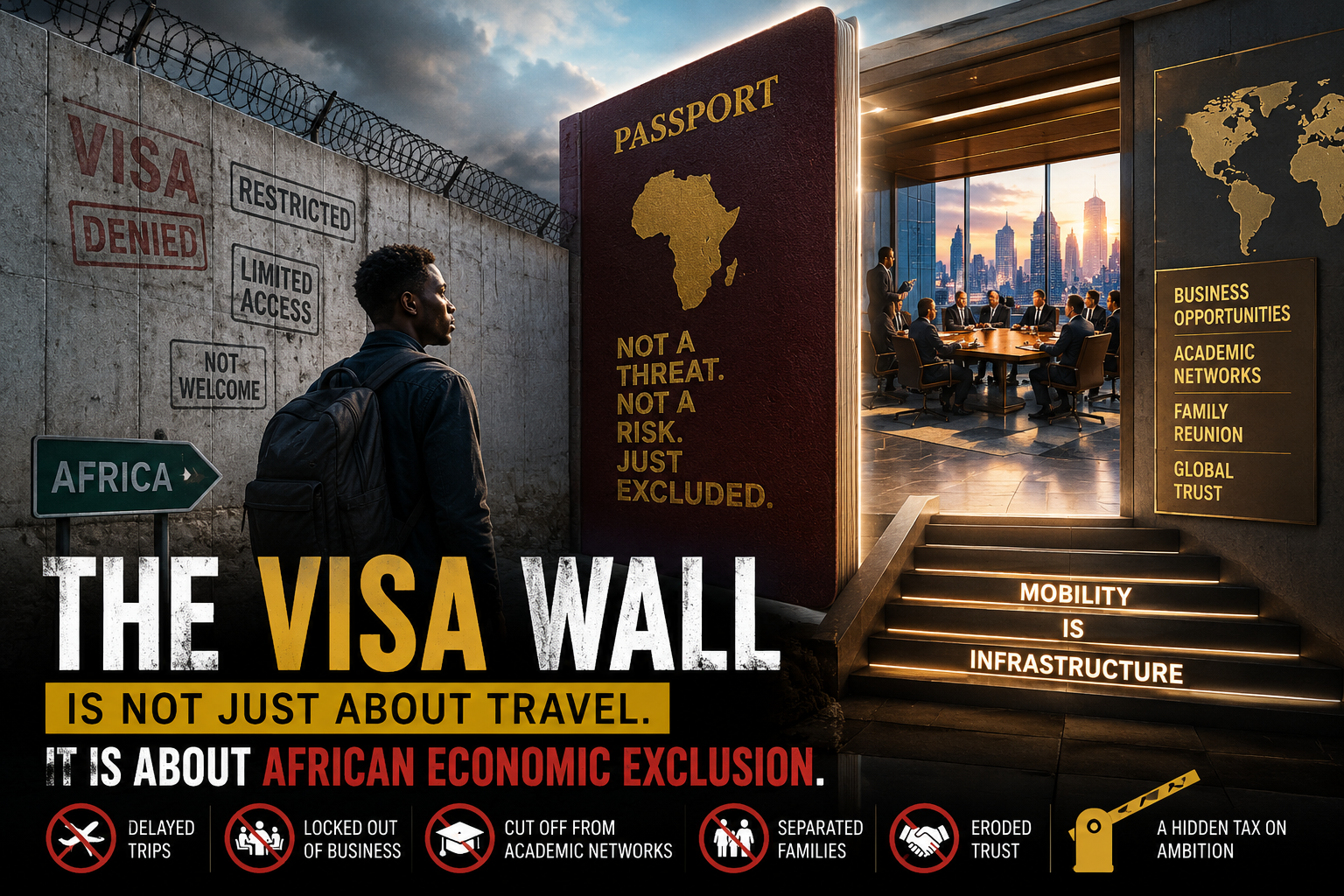
The Visa Wall Is Not Just About Travel. It Is About African Economic Exclusion.
Visa barriers do more than delay trips. They block African access to business rooms, academic networks, family movement, and commercial trust. This article argues that mobility is infrastructure, and that harder borders function like a hidden tax on African ambition, participation, and long-term economic positioning in the global system.
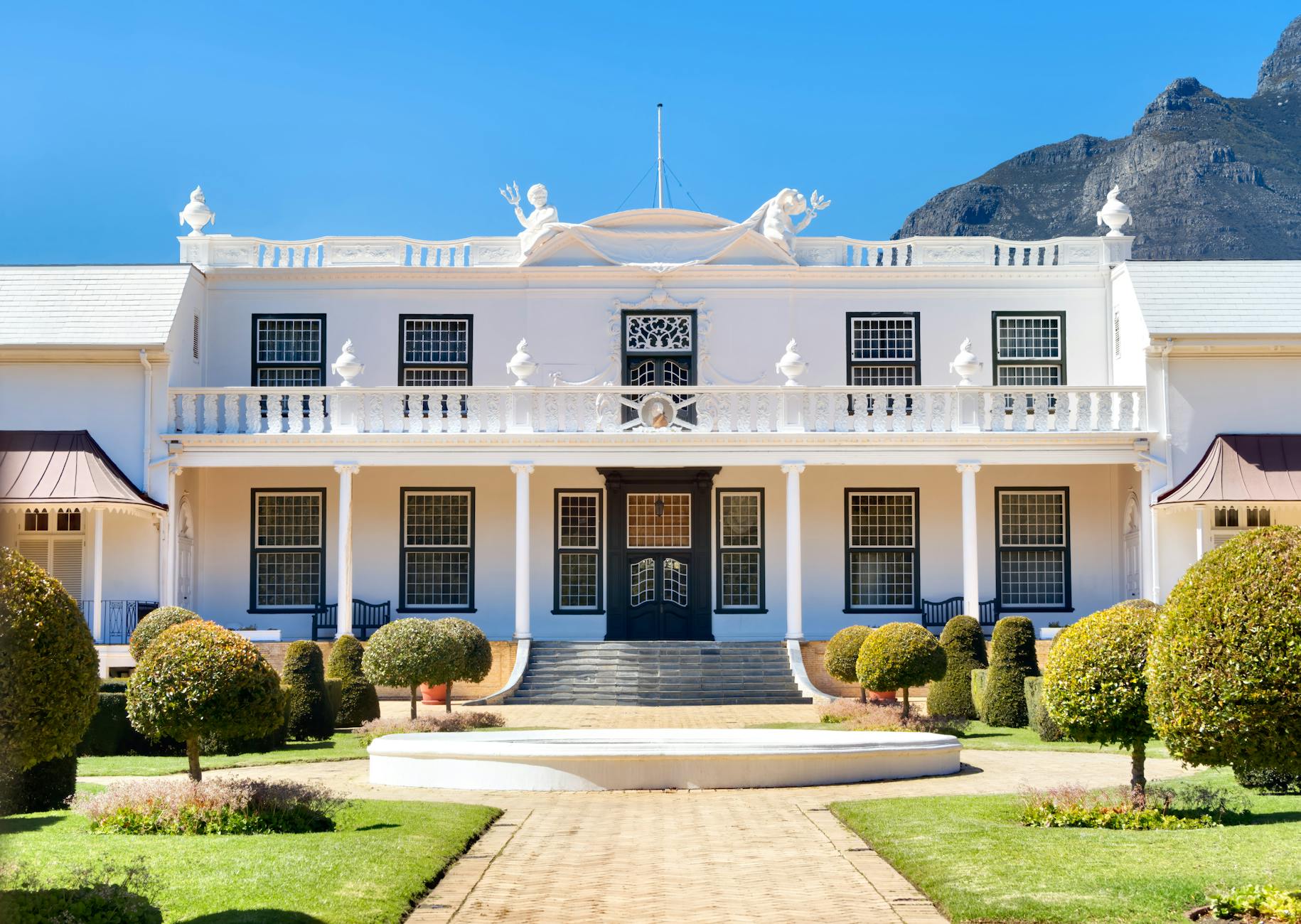
When the Reform President Becomes the Accountability Test
Cyril Ramaphosa says he will not step down, even as South Africa’s top court revives pressure over the Phala Phala scandal. The deeper issue is whether South Africa can still persuade citizens and diaspora audiences that elite accountability is real, credible, and not selectively applied.