Africa’s cultural rise is bigger than a feel-good trend. Across music, fashion, and film, visibility is turning into leverage—shaping image, exports, jobs, tourism, and how the world learns to see the continent.
African soft power is often discussed in flashes.
A big award. A sold-out show. A designer on an international runway. A film that cuts across borders. A celebrity moment that makes everyone online say, for one evening at least, that Africa is having a moment.
But that language can be misleading.
Africa is not merely “having a moment.” It is building leverage.
That is the more useful way to read what is happening across music, fashion, and film.
Culture matters because it changes what people associate with a place. It can reshape aspiration, influence tourism, create jobs, attract capital, expand export pathways, and alter how a continent is narrated in rooms where politics alone often fails. For Africans in the diaspora, this power is not abstract. It can change how Africa is seen in classrooms, boardrooms, media spaces, and social environments where old stereotypes still linger.
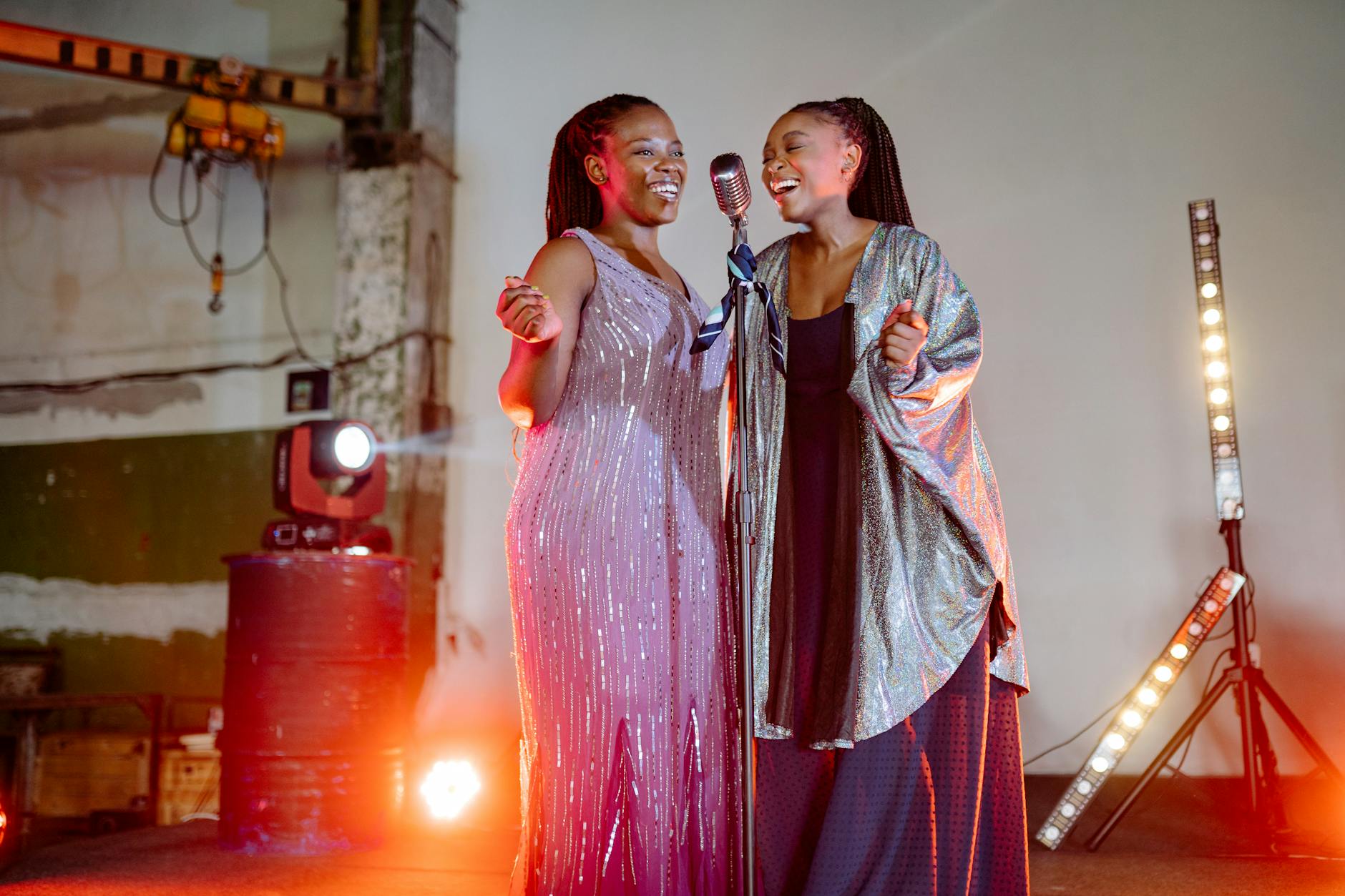
The business case is already visible. IFPI says global recorded music revenues reached 29.6 billion dollars in 2024, with every region growing. Sub-Saharan Africa stood out as one of the fastest-growing regions, with Music In Africa citing IFPI data showing recorded music revenues in the region grew 22.6 percent in 2024. That is not a niche side story. It suggests an expanding market with serious commercial momentum.
The image case is visible too.
When Tyla’s global breakthrough becomes part of Africa’s pop-cultural vocabulary, it is not only about one artist’s success. It becomes a reminder that African sound is no longer waiting for validation from the margins. It is shaping mainstream taste. That matters commercially, but it also matters psychologically. It gives younger Africans and diaspora audiences a different mirror.
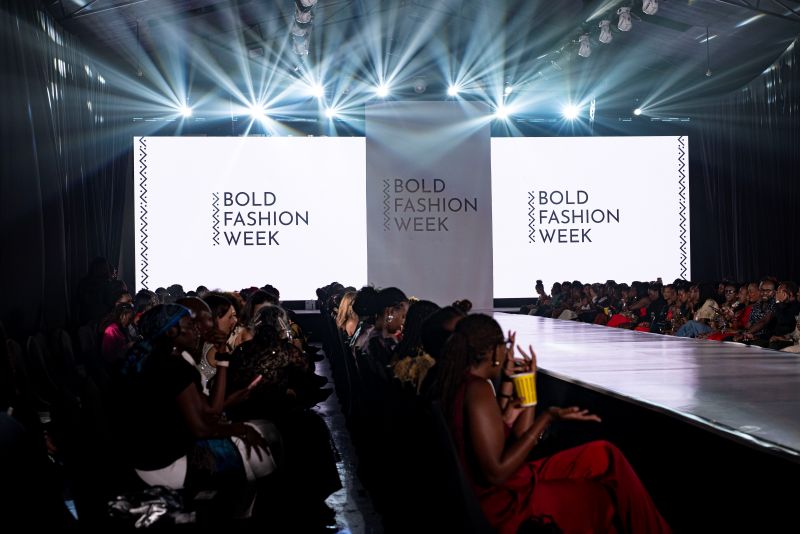
Fashion is doing related work through another channel. Designers and labels that move from Lagos, Accra, Nairobi, Johannesburg, or Kigali into major international fashion circuits do more than sell garments. They move aesthetics, references, and confidence. They invite the world to consume African imagination on African terms. ADUNAGOW has already tracked this in coverage such as Iamisigo’s runway expansion, where design becomes both cultural expression and global positioning.
Film may be the deepest long-term story of all. UNESCO says Africa’s film and audiovisual sector has the potential to create more than 20 million jobs and contribute 20 billion dollars to combined GDP if policy and structural constraints are addressed. That is a staggering number because it reframes film from entertainment product into industrial possibility.
This is why soft power should not be treated as shallow branding language.
Soft power becomes serious when culture produces both emotional identification and material consequence. A hit song can raise curiosity about a country. A strong fashion ecosystem can support manufacturing, creative employment, tourism, and brand identity. A film industry can create jobs, shape national image, and generate export value while preserving narrative sovereignty.
That last phrase matters.
Narrative sovereignty is one of the quiet prizes inside cultural success. For too long, Africa has often been explained to the world through outsiders, crises, and pity-driven frames. Music, fashion, and film give Africans more control over how the continent is felt, imagined, and desired. They do not erase political problems, but they complicate the old script.
Ghana’s Black Star Experience offers an example of how institutions are starting to understand this connection. Its stated goal is not only cultural celebration. It explicitly links culture, arts, tourism, and creative engagement to attracting people, investments, and businesses into the economy. That is soft power becoming development strategy.
The challenge, of course, is capture.
If African culture is raising the continent’s profile globally, who is keeping the value? Are African creators, labels, studios, platforms, manufacturers, and institutions building enough ownership around this wave? Or will the image rise faster than the local systems needed to hold the upside?
That is the strategic question beneath the celebration.
ADUNAGOW should care about this story precisely because it is bigger than celebrity. It is about whether cultural visibility can be converted into durable economic and narrative advantage. The music is moving. The fashion is traveling. The films are scaling. The audiences are already paying attention.
Now the institutions have to decide whether they are serious enough to build around the momentum.
Because soft power is not just about being seen.
It is about what becomes possible after the world starts looking.
Read Next
- Tyla’s VMAs Triumph: South African Star’s Best Afrobeats Win Celebrates Africa’s Global Rhythm
- From Lagos to Copenhagen Runways: Iamisigo’s Visionary Fashion Breaks Global Barriers
Discover more from ADUNAGOW Magazine
Subscribe to get the latest posts sent to your email.