When Africans Become Foreigners to Africans: South Africa's Xenophobia Crisis Tests Pan-African Unity
South Africa is sending envoys to other African countries after a wave of xenophobic attacks against migrants from the continent. That diplomatic move tells us the story has moved beyond one town, one protest, or one tragic week. It has become a test of regional trust.
Reuters reported on June 4, 2026 that President Cyril Ramaphosa said South Africa would dispatch envoys to African countries and elsewhere following attacks targeting immigrants from other African nations. The announcement came after days of fear, displacement, and reports of killings linked to anti-migrant violence.
Mozambique said at least five of its citizens had been killed in xenophobic attacks in South Africa, according to Al Jazeera. More than 500 people were reportedly sheltered in the Western Cape, with repatriation already beginning. The Guardian reported that South African police confirmed two Mozambican deaths in Mossel Bay, while Mozambique linked additional deaths to the wider wave of violence and flight.
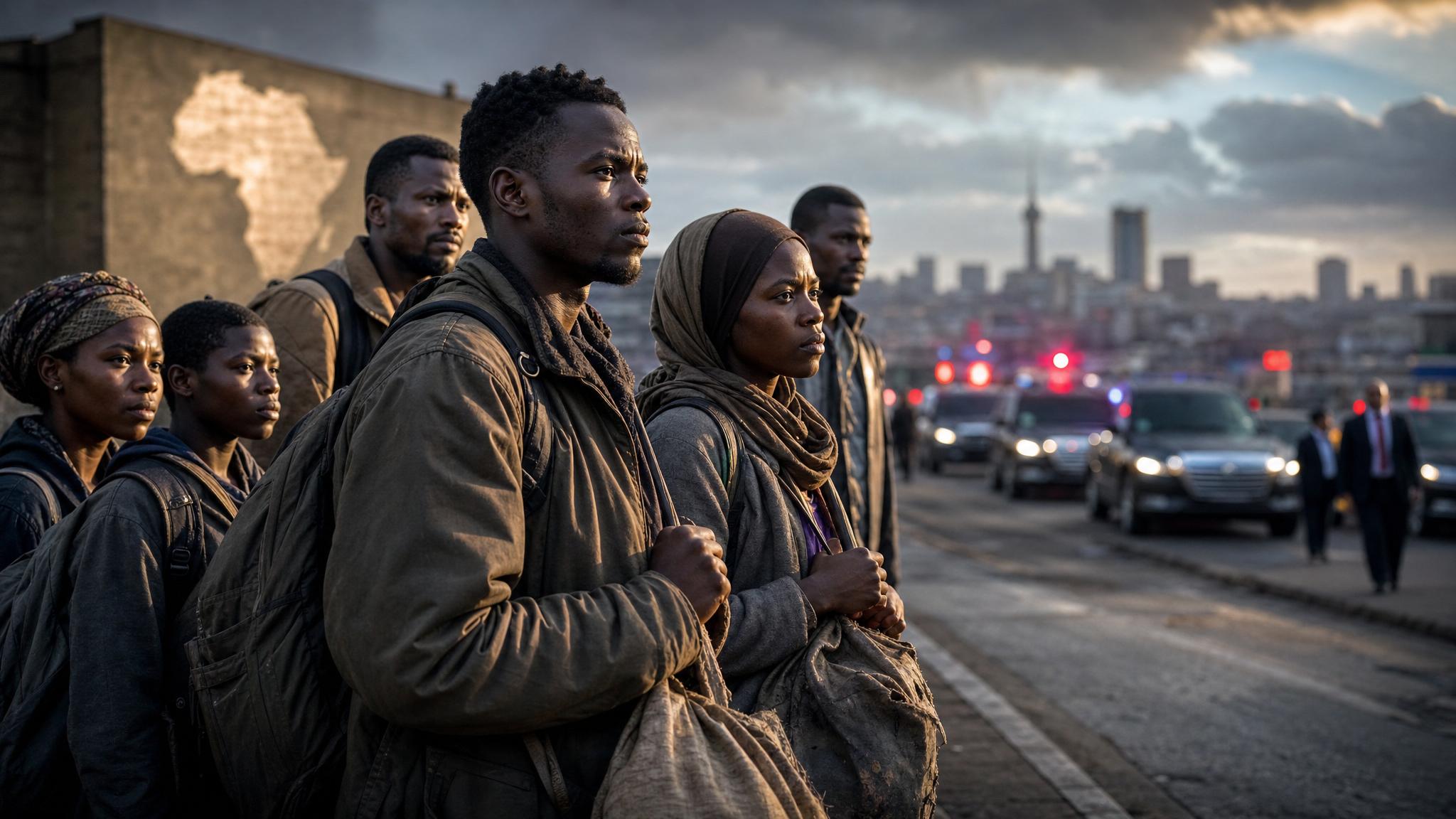
This is the painful contradiction at the center of the story: Africans who cross borders in search of work, safety, or survival are being treated as threats inside another African country. Migration pressure is real. Unemployment, housing stress, service delivery failures, and undocumented movement are real issues for any state to manage. But none of those problems justify mobs, documentation checks by vigilantes, attacks on foreign-run businesses, or the forced humiliation of people whose only crime is being vulnerable in the wrong place.
For South Africa, the stakes are larger than public order. The country presents itself as a continental leader, a gateway economy, and a moral voice shaped by its own liberation history. That image weakens every time African migrants are chased, attacked, or forced to hide.
For the rest of Africa, the question is just as serious. Why are so many people forced to leave home in the first place? Mozambique, Zimbabwe, Malawi, Nigeria, Somalia, Ethiopia, the Democratic Republic of Congo, and other countries have all seen citizens seek opportunity or protection across borders. Behind every migration debate is a development debate: jobs that were not created, conflicts that were not resolved, institutions that did not protect people, and economies that could not hold their young.
Human Rights Watch reported that April and May demonstrations by the March and March movement in cities including Pretoria, Johannesburg, and Durban had violent and sometimes fatal results. The group advocates stricter immigration enforcement, but the pattern now unfolding shows how quickly political frustration can turn into collective punishment.
That distinction matters. A government has the right to enforce immigration law. Citizens have the right to demand accountability from leaders. But communities do not have the right to decide who belongs through fear. A legal migration system cannot be replaced by street punishment.
The diaspora should pay attention because this story does not stop at South Africa's borders. It speaks to a wider African condition: people are celebrated as "diaspora" when they send remittances, invest, and carry culture abroad, but treated as burdens when they move within the continent itself. Pan-Africanism cannot only be speeches, summits, hashtags, and flags. It has to mean protection when an African life becomes inconvenient.
Ramaphosa's envoy plan is a necessary signal, but it is not enough on its own. Regional trust will require visible protection for migrant communities, prosecution of attackers, honest communication with neighboring governments, and a migration policy that reduces fear without feeding scapegoating.
The strongest response would combine law and dignity: secure borders without cruelty, documentation enforcement without vigilantism, and public services without blaming the poorest outsider for failures created by political systems.
South Africa is not alone in facing migration tension. Across the world, economic anxiety is being converted into suspicion of foreigners. But Africa has a special responsibility to resist that pattern because its people know what displacement, labor migration, exile, and border separation have meant across generations.
When Africans become foreigners to Africans, something deeper than policy has broken. The repair must begin with a simple principle: no country's frustration gives its citizens permission to strip another African of dignity.
Read Next
- When Africans Must Be Evacuated From Africa, Unity Is No Longer A Slogan
- Ghana’s Emergency Return Flight From South Africa Is a Warning About African Mobility, Belonging, and Diaspora Protection
- The Visa Wall Is Not Just About Travel. It Is About African Economic Exclusion.
Key Takeaways
- South Africa's xenophobic violence is now a regional diplomacy issue, not just a domestic public-order story.
- Migration management is legitimate, but vigilante violence and collective punishment are not.
- The deeper ADUNAGOW angle is pan-African unity under stress: dignity, law, accountability, and development failure.
Sources
- Reuters via Polity: https://www.polity.org.za/article/south-africa-to-send-envoys-to-other-african-countries-after-xenophobic-attacks-ramaphosa-says-2026-06-04
- Reuters via Investing.com: https://m.investing.com/news/world-news/african-migrants-flee-into-the-mountains-as-south-africas-xenophobic-violence-surges-4726066
- Al Jazeera: https://www.aljazeera.com/news/2026/6/2/mozambique-says-5-citizens-killed-in-xenophobic-attacks-in-south-africa
- Human Rights Watch: https://www.hrw.org/news/2026/05/20/south-africa-new-waves-of-xenophobic-attacks
- The Guardian: https://www.theguardian.com/world/2026/jun/02/mozambique-citizens-killed-xenophobic-attacks-south-africa
Discover more from ADUNAGOW Magazine
Subscribe to get the latest posts sent to your email.