When Senegal Turns an Old Rival Into Africa's UN Candidate
Senegal's president has backed former President Macky Sall for United Nations Secretary-General. The move is bigger than one man's ambition: it tests how Africa balances global representation with democratic accountability at home.
Senegal has made a calculated turn on the global stage.
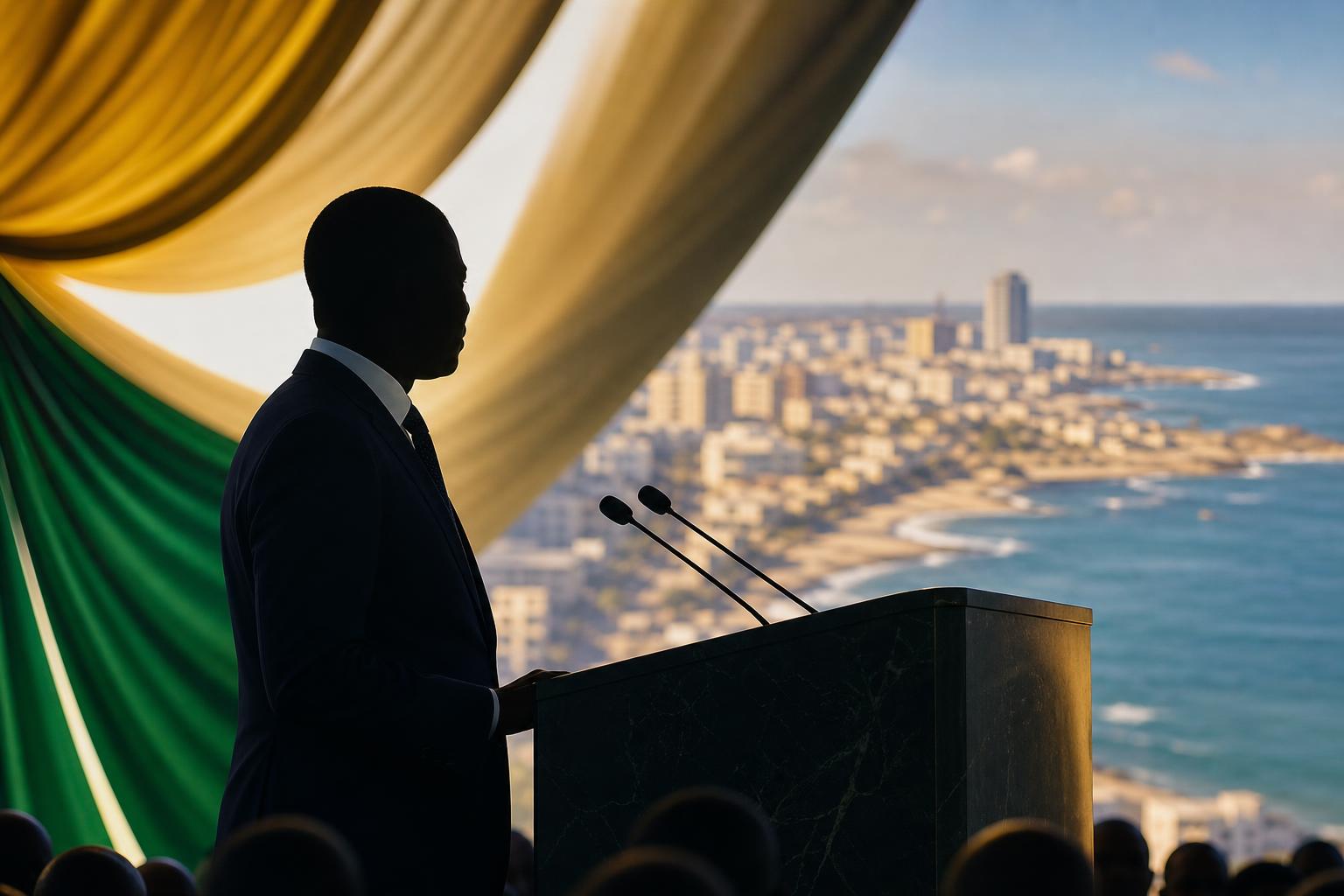
President Bassirou Diomaye Faye has backed former President Macky Sall's bid to become United Nations Secretary-General, giving Senegal's former leader the one endorsement no international campaign can comfortably do without: support from home.
The endorsement, reported by Africanews on July 22, comes after months of political tension between Senegal's current leadership and the former president. It followed a meeting between Faye and Sall at the presidential palace, a moment that appears to have transformed a domestic rivalry into a diplomatic project.
That is why this story matters beyond Dakar.
The United Nations leadership race is not simply a contest of resumes. It is a test of who gets to speak for a fractured world. For Africa, a Senegalese candidacy carries obvious symbolic power. The continent is home to many of the global issues the UN claims to prioritize: peacekeeping, climate pressure, debt, food security, youth opportunity, migration, public health, and development finance. Yet Africa still fights to convert moral relevance into institutional power.
Sall's supporters see Senegal's endorsement as a strategic step toward that power. Africanews quoted Moussa Balde, coordinator of the Republican Academics Networks, saying that if a country does not support one of its own, it becomes harder for partners to do so. He also said more than 40 African countries were already backing Sall's candidacy.
If that continental support holds, the message is clear: Africa does not only want to be managed by global institutions. Africa wants to help lead them.
But the Senegalese debate is not clean or comfortable.
Faye rose to power as part of a political movement that challenged the old order Sall represented. Ousmane Sonko's Pastef party remains opposed to Senegal backing the former president, according to Africanews, holding Sall responsible for violence that left nearly 80 people dead during protests in 2021 and 2023.
That unresolved history cannot be brushed aside with the language of diplomacy.
This is the tension at the heart of the story. A former African president can be both a credible global candidate and a contested figure at home. A country can pursue international influence while still arguing over justice, memory, and accountability. Representation matters, but representation alone is not the same as renewal.
For ADUNAGOW readers, especially in the diaspora, that distinction is important.
The African diaspora often celebrates moments when African leaders, innovators, artists, and institutions gain global visibility. That instinct is understandable. Global systems have long spoken about Africa without giving Africans enough power inside the room. Seeing an African candidate compete seriously for the UN's top job can feel like a correction.
Still, the bigger question is not whether Africa deserves a stronger voice. It does. The question is what kind of voice Africa should send into the world's most symbolic diplomatic office.
A UN Secretary-General must navigate war, debt, climate disruption, public health, migration, development, and the credibility crisis facing multilateral institutions. The role demands legitimacy abroad and moral clarity at home. That is what makes the Senegal story so sharp: it is not only about whether Macky Sall can win votes in global capitals. It is about whether Senegal can reconcile the ambition of continental leadership with the demands of democratic memory.
President Faye's move also says something about political survival. Africanews cited analyst Alassane Samba Diop, who argued that the endorsement may help Faye build alliances as he navigates confrontation with Sonko's Pastef movement. In that reading, the UN campaign is not just diplomacy. It is domestic chess.
That does not automatically make it illegitimate. Politics is often the art of turning conflict into leverage. But it does mean the endorsement should be read with discipline.
If Sall's candidacy advances, African publics and diaspora communities should ask hard questions. What is his reform agenda for the UN? How would he address African debt and climate vulnerability? What would he do differently on conflicts where the UN has lost credibility? How would he treat human rights questions when they involve governments, including African governments, that prefer silence?
Those questions are not attacks. They are the cost of serious representation.
Africa's case for global leadership is strong. The continent is too young, too strategically important, too culturally influential, and too central to the century's biggest challenges to remain peripheral in institutions built after World War II. But the strongest African claim to leadership will not come from symbolism alone. It will come from leaders who can carry both ambition and accountability.
Senegal's endorsement of Macky Sall is therefore a story worth watching closely.
It may become a milestone in Africa's push for a more balanced global order. It may also become a reminder that the road from national politics to international prestige is never neutral. The diaspora should pay attention not just because an African could lead the UN, but because the debate around that possibility reveals what kind of African leadership the world is being asked to trust.
Sources
- Africanews: https://www.africanews.com/2026/07/22/senegal-president-fayes-backing-of-macky-sall-signals-a-political-shift/
- Africanews: https://www.africanews.com/2026/07/20/senegal-backs-macky-salls-bid-for-un-secretary-general/
- Associated Press: https://apnews.com/article/6423dd5a83cdd4b9956a43ed5f0ba7f2
Read Next
- Gabon's Manganese Deal Tests Africa's New Value-Add Ambition
- Nigeria-Morocco Gas Pipeline: West Africa's 7 Billion Test Of Regional Power
- Cote d'Ivoire Just Pulled In 80 Billion in Development Pledges. The Real Test Is Who Builds the Future
Discover more from ADUNAGOW Magazine
Subscribe to get the latest posts sent to your email.