Gustavie Mbemba Fresh & Pirate Magic is a sensational stage production featuring dance performances, live music, and singing. With its ability to deliver an infectious dose of joy and vitality, the musical created by Gustavie Mbemba and her ensemble showcases the powerful musical culture of Congo and Africa.
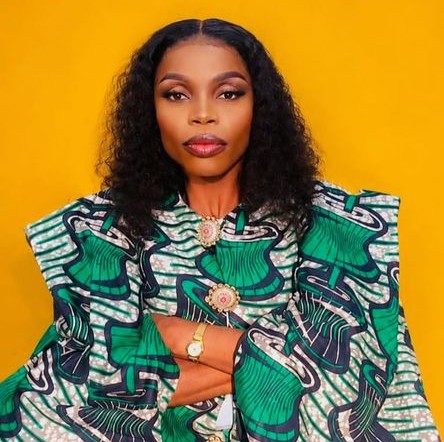
Gustavie Mbemba is a singer and musical artist from the Republic of the Congo, also known as Congo-Brazzaville, who emerged as a major cultural revelation in 2026. Her popularity has risen rapidly on digital platforms such as TikTok and Facebook. She became widely known through the viral success of her song, “Yamboula Manbandza.”
A Viral Challenge
The challenge has taken off with tremendous energy. It is on fire—tiya! The song and its accompanying choreography have been widely recreated and shared across social media.
In a remarkably short time, Gustavie Mbemba has become an authentic ambassador for Congolese and African culture—a leading figure on Congo’s cultural scene.
Mbemba is an unconventional artist: a young mother who transformed a personal experience into art in Mindouli, a town in Congo’s Pool Department located nearly 100 kilometres from Brazzaville.
Her song “Yamboula Manbandza” emerged from a painful personal experience. Following reported tensions involving jealousy and infidelity in her marriage to Yannick, she chose to transform her heartbreak into music.
Through an unexpected series of events, she turned that pain into an enormous popular success—one enthusiastically embraced in Congo and throughout the diaspora around the world.
Mbemba’s first major release has become a musical phenomenon that brings cultural recognition and pride to the Republic of the Congo.
Yet this is not the first time artists from Congo-Brazzaville have made a significant impression at home and abroad. The country has produced talented musicians for generations. Unfortunately, the success achieved by many Congolese artists has often proved short-lived.
As one of the birthplaces of rumba and soukous, Congo-Brazzaville has produced musical groups of exceptional quality. The country’s cultural landscape has always included traditional musicians, vocal groups, operetta ensembles, and gifted orchestras. Very few, however, have managed to sustain long careers while also achieving lasting recognition and financial stability.
Among the obstacles holding Congolese artists back and trapping them in financial insecurity are a lack of professional guidance and the absence of well-structured, effective management teams.
The lack of strong music-industry institutions—including established record labels, rigorous copyright protections, and formal distribution networks—also contributes to these failures.
To build a sustainable career, an artist must generate meaningful income. A singer-songwriter must diversify their sources of revenue, understand international copyright protections, and develop direct collaborations with performers in other countries. Talented artists from Congo-Brazzaville, whose domestic market remains limited, urgently need this kind of support to advance their careers.
A Rich Musical Heritage Too Often Neglected
Many artists and orchestras, both historical and contemporary, have distinguished themselves as remarkable and promising representatives of Congo’s musical richness across generations. Sadly, nearly all eventually fall into financial hardship or near-total obscurity.
Among the important figures and groups—past and present—who receive far less recognition than they deserve are Les Bantous de la Capitale, Bouzitou Bwa Bantou, Les Très Fâchés, Les Tambours de Brazza, Fwa Bissalou, Les Anges, Les Cheveux Crépus, Franklin Boukaka, Groupe Rouge, Papa Noël Ya Loketo, Ferdinand Mabala, Théo Blaise Nkounkou, Tchico Tchicaya, Dr. Sakis, Denis Loubassou, Les Super Boboto, Les Super Tembessa de Matoumbou, Les Cols Bleus and Rigadin Mavoungou, Patrouille des Stars, Rapha Bounzeki, Moundanda, Zao, Pamelo Mounk’a, Youlou Mabiala, Aurlus Mabélé, Les Frères Moutouari, Mpassi of Biso na Biso, Jean Hermann Koulemvokila, Fredy Massamba, Extra Musica and Roga Roga, Tidiane Mario, Afara Tsena, Watikanya, Pierrette Adams, and Hardos Massamba, to name only a few.
These artists and their work remain largely unknown, both in Congo and around the world. That is deeply regrettable.
Should the people of Congo-Brazzaville not learn to value their culture and support their artists consistently and at every opportunity? And should artists not draw inspiration from the realities surrounding them to sustain their careers and secure their futures?
Building a Lasting Career and Legacy
Today, Gustavie Mbemba has become a leading symbol of Congolese culture. We wish her every success as she develops her career, continues winning hearts for many years, and helps promote love and unity among citizens.
May her actions and commitment also enable her to contribute to the development of music and to the socioeconomic progress of Congo and the African continent.
Gustavie Mbemba must continue striving for progress. To strengthen her chances of lasting success, she should, if possible, seek partnerships with major record companies such as Universal Music Group, Sony Music Entertainment, World Circuit, or Warner Music Group.
Another fundamental step is the management of her intellectual property. She must learn how to protect her work and collect the royalties owed to her internationally. This is equally important for every Congolese artist who experiences sudden success.
Having reached a wide audience through digital platforms, Mbemba should now consider embarking on an international tour and collaborating with internationally recognized African artists such as Youssou N’Dour and leading women of African music, including Angélique Kidjo and Oumou Sangaré.
Now that she has achieved international recognition and is being regarded as a global ambassador for the culture of Congo-Brazzaville, it would also be wise for her to establish a clear objective: surrounding herself with genuinely competent, dynamic, and open-minded people capable of implementing practical and powerful initiatives that can ensure the success of her enterprise.
She should use her audience and visibility to promote messages of mutual assistance and dedicate her public influence to causes supporting children, education, and the empowerment of girls and women in Congo—perhaps through a foundation she could establish.
She could also use her popularity to showcase other artists and support charitable initiatives, such as creating an agricultural and livestock cooperative or an agro-processing facility capable of providing employment to hundreds of people in Congo.
Gustavie Mbemba represents a challenge—and a movement—that is beginning with tremendous force.
Article submitted by Franklin Nkangou Mikangou
Read Next
- Paris Is Becoming a Black Diaspora Power Map, Not Just a Cultural Scene
- WAFCON 2026 Is Africa's Women's Football Moment. The Diaspora Should Be Watching
- AfCFTA Has A Local Business Problem. Solving It Could Change African Trade
Discover more from ADUNAGOW Magazine
Subscribe to get the latest posts sent to your email.