The Visa Wall: Why Falling African Travel to America Is Really a Diaspora Business Story
For many Africans, a trip to the United States begins long before the airport.
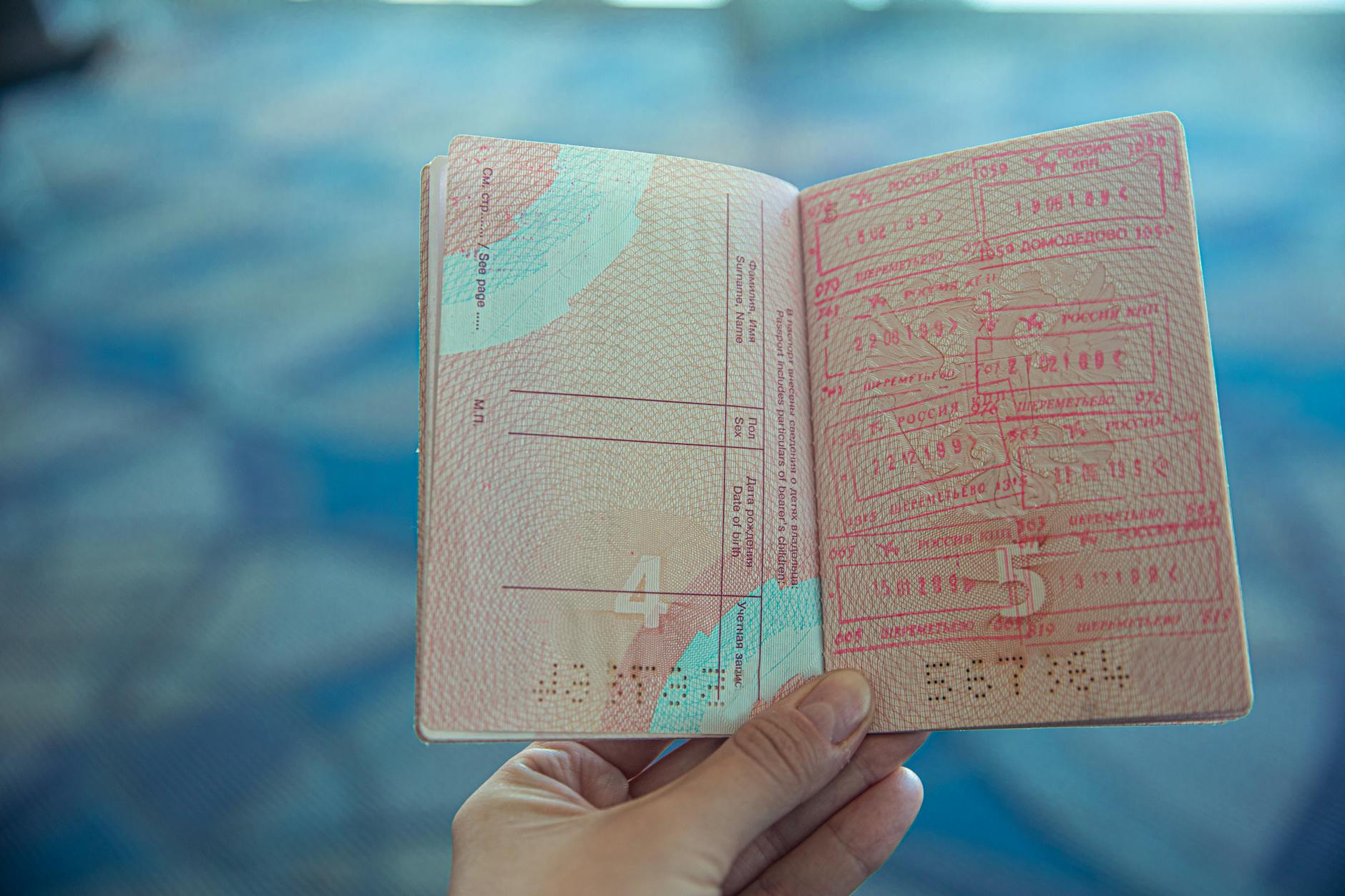
It begins with screenshots, bank statements, invitation letters, employment letters, old passports, interview slots, and the quiet anxiety of having to prove that your movement is legitimate before it has even happened.
You may be traveling for a conference. A family emergency. A graduation. A pitch meeting. A campus visit. A wedding. A trade event. A fellowship. A reunion that has already been postponed too many times.
And yet the trip is never just the trip. It is paperwork, waiting, uncertainty, and a familiar question hanging over the whole process: will they let you through?
That is why the latest reports of falling African travel to the United States should be read as more than a tourism story.
This week, Africa-facing outlets reported a sharp decline in travel from several African countries to the U.S., with especially steep drops linked to tighter visa enforcement and stricter immigration controls. Business Insider Africa flagged Nigeria and Zimbabwe among the countries affected. The Voice of Africa reported even sharper declines across a wider set of countries, including Sudan, Libya, Zimbabwe, and Nigeria.
You can argue over the politics. You can debate the numbers. But the underlying signal is clear enough to matter: access is tightening, and the consequences reach far beyond holidays.
That matters because African travel to America is not only about leisure. It is also about commerce, study, networking, diaspora family maintenance, and the slow work of building trust across borders.
When mobility tightens, opportunity does not vanish. It reroutes.
That is the real story.
The U.S. State Department's own global visa wait-times table, updated in mid-April, shows how uneven the terrain already is. Abuja sits at 6.5 months for the next available B1/B2 appointment. Kampala shows 6 months. Kinshasa stretches to 11.5 months. Monrovia is at 10.5 months. Meanwhile, Accra and Lagos appear far more open in the next-available column.
That unevenness is not a small bureaucratic detail. It is a map of unequal access.
It means two equally qualified Africans can face radically different mobility realities depending on which post processes them. It means some founders can still board the plane for the investor meeting while others lose momentum in paperwork purgatory. It means one family's reunion is merely delayed while another's becomes impossible. It means the friction is not abstract. It is geographic, political, and cumulative.
And once that friction accumulates, business geography starts to change.
This is why the story belongs inside ADUNAGOW's business and power conversation.
Mobility is infrastructure.
A visa is not only permission to travel. In practice, it is also permission to participate: to show up in the room, build trust in person, close a deal, join a conference circuit, visit a child at school, attend a funeral, inspect an opportunity, or simply remain woven into a transnational family network.
If one region faces more friction than another, then one region pays a higher participation tax — much like the hidden cost of sending money home in already expensive remittance corridors.
That tax is rarely discussed clearly enough.
People tend to speak about visas in the language of inconvenience or diplomacy. But there is also a market story buried inside the paperwork. Every delayed or abandoned trip can mean a lost partnership, a missed conversation, a weaker alumni tie, a postponed supplier relationship, or a founder choosing Dubai, London, or Toronto as the more reliable meeting ground next time.
And once those habits shift, they can harden.
The National Travel and Tourism Office treats international arrivals as part of a measurable economic system. Its I-94 arrivals program exists because visitor movement matters to trade and tourism exports. That should tell us something important. Travel is not a soft cultural side issue. It has economic weight.
So when African access to the U.S. contracts, the downstream effects are likely to touch more than mood. They can shape where conferences matter, where investors feel reachable, where diaspora professionals spend their time, and which cities become default bridges between Africa and the wider world.
In that sense, the visa wall is also a competition story.
If the United States becomes harder to access, others will compete for the traffic it no longer captures so easily. Europe gains. The Gulf gains. Parts of Asia gain. In some cases, Africa itself can gain if entrepreneurs, institutions, and governments build stronger regional circuits instead of treating Washington, New York, or Houston as the only rooms that count.
That is where this story becomes more interesting than outrage.
Yes, there is frustration here. There is humiliation here too. Many Africans know what it means to over-prepare for a visa interview only to still feel pre-disqualified by the logic of the system.
But the smartest response is not only emotional. It is strategic.
If mobility is power, then African institutions, businesses, and diaspora networks have to think harder about reducing overdependence on any one gatekeeper. That means building denser continental business circuits. It means strengthening UK-Africa, Gulf-Africa, and intra-African mobility routes where they make sense. It means asking harder questions about whose border regimes get to decide the pace of African ambition. That also raises the question of whether Ghana’s “17th Region” agenda creates real power through stronger African and diaspora alternatives.
None of this means the U.S. stops mattering. It clearly does. America remains too important a market, university ecosystem, cultural arena, and capital network to ignore.
But the era when access could be treated as assumed or politically neutral is fading.
What we are watching now is not just a travel slowdown. It is a reminder that border power still shapes business power.
And for the diaspora, that truth is both intimate and structural.
It is intimate because every visa delay lands somewhere real: a family WhatsApp chat, a missed celebration, a canceled flight, a founder's calendar, a student's nerves. It is the same family-maintenance pressure explored in The Secret Economy of the Diaspora.
It is structural because repeated friction changes where people invest their energy, build trust, and imagine their futures.
That is why this story will resonate.
It speaks to a feeling many Africans already know. But it also pushes beyond feeling toward a harder conclusion: when access shrinks, opportunity reroutes.
The question now is whether African networks will keep absorbing that cost quietly — or use this moment to build stronger alternatives of their own.
Read Next
- The Diaspora Money Paradox: Africa Depends on Remittances, but Sending Money Home Still Costs Too Much
- From Year of Return to the 17th Region: Is Ghana Finally Giving the Diaspora Real Power?
- The Secret Economy of the Diaspora: Why Everyone Is Sending Money Home Now
Discover more from ADUNAGOW Magazine
Subscribe to get the latest posts sent to your email.