When Africans Become Foreigners to Africans
South Africa’s latest anti-immigration controversy has become bigger than any one protest, clip, or official statement. That is precisely why it matters.
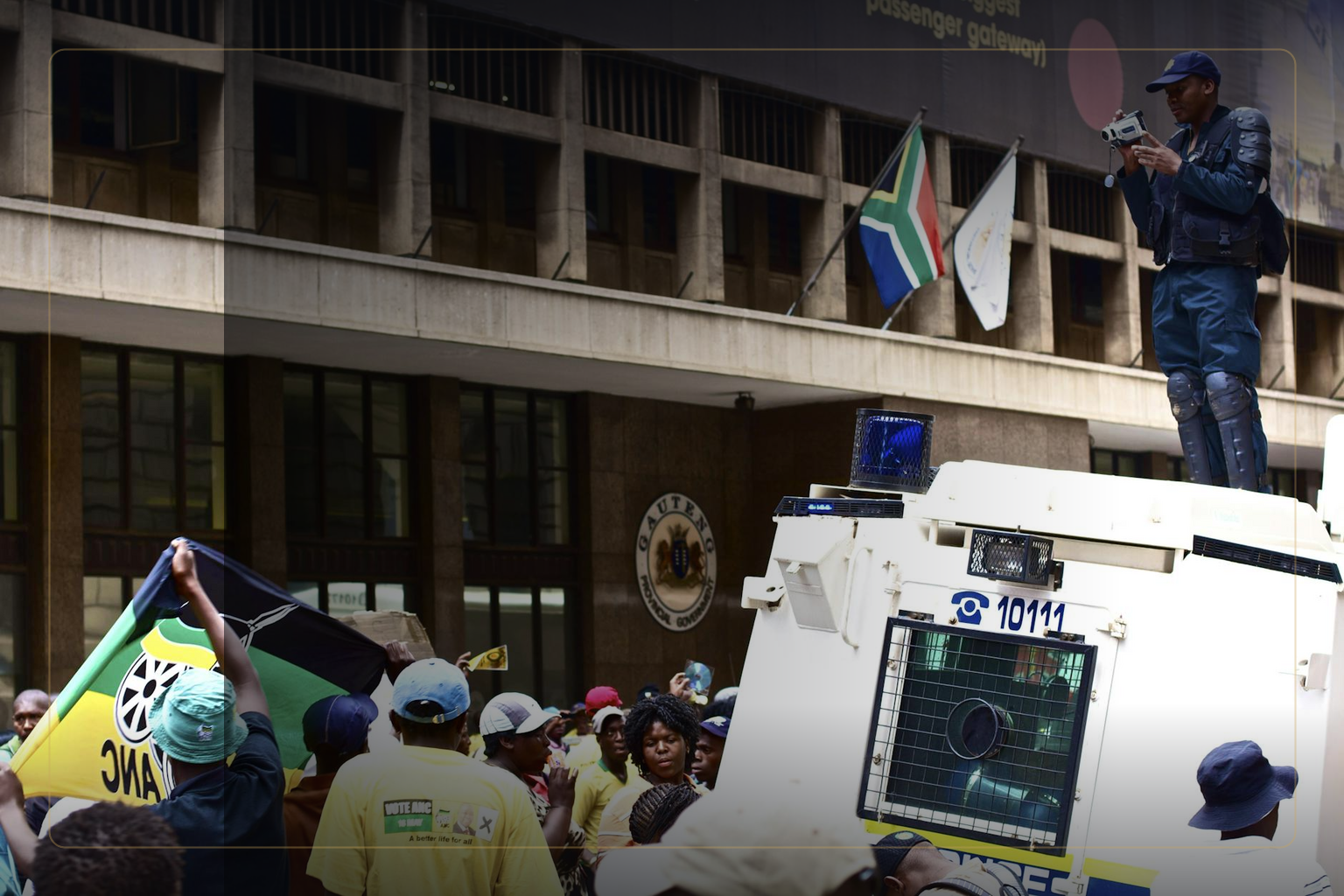
On one side, Pretoria has condemned widely shared videos and images said to show xenophobic attacks, describing some of the material as fake or misleading. Reporting from the BBC also notes an important fact that should not be casually ignored: in the current wave, protests have been described as largely peaceful, with no official reports of widespread looting of foreign-owned shops or violent attacks on undocumented migrants. In a media environment built for outrage, that nuance matters.
But on the other side of the story, African governments are not reacting as if this is a trivial misunderstanding. Ghana has written to the African Union, warning of a serious risk to the safety and wellbeing of Africans in South Africa. Nigeria has raised the issue and offered repatriation to its nationals. Kenya, Malawi, Lesotho, and Zimbabwe have warned their citizens in South Africa to stay alert. Ghana also facilitated the return of Emmanuel Akowuah Asamoah after a viral video linked him to the crisis, and Accra summoned South Africa’s acting high commissioner to formally express concern.
That contradiction is the real headline.
This is no longer only a story about whether every viral video is authentic. It is a story about how quickly African migrants can feel exposed at a continental scale, how rapidly diplomatic trust can erode, and how fragile Pan-African belonging can look when economic frustration and anti-immigration rhetoric collide. That is exactly why South Africa’s xenophobia panic is testing Pan-African trust far beyond one news cycle.
For years, Pan-Africanism has been sold as both memory and mission: a shared political inheritance, a cultural promise, and a practical path toward deeper African unity. But unity is easy to celebrate in speeches and summit language. Its real test comes when livelihoods tighten, anger rises, and the outsider is no longer European, American, or abstract. The harder question is what Africans owe one another when the “foreigner” is another African looking for safety, work, dignity, or a fresh start.
That is why this moment lands so heavily with diaspora audiences. Africans abroad already know the logic of anti-immigrant politics. They know how quickly people can be reduced to labor competition, demographic threat, or political scapegoat. What makes the South Africa fallout especially painful is the mirror it holds up inside Africa itself. If Africans can be made to feel disposable within African borders, then the emotional architecture of continental brotherhood is weaker than many would like to believe.
None of this requires exaggeration to be serious.
In fact, the stronger and more responsible argument is the opposite: we should resist overstating what has not yet been verified, precisely because the verified fallout is already profound. Fear is real. Diplomatic escalation is real. Public distrust is real. The psychological message heard across the continent is real too: in moments of pressure, some Africans may be treated less like neighbors and more like intruders.
That perception has consequences far beyond one news cycle. It shapes whether students feel safe crossing borders for education. It affects whether traders, entrepreneurs, and workers see other African markets as opportunity or risk. It influences how ordinary Africans interpret ambitious ideas like free movement, regional integration, and intra-African cooperation. If the ground-level experience of mobility is humiliation, threat, or instability — whether inside Africa or through the visa wall shaping African movement abroad — then elite language about integration starts to sound performative.
South Africa, because of its economic weight and symbolic place on the continent, carries a particular burden here. Its domestic migration debates are not just domestic anymore. When tensions rise there, the political aftershocks travel. Other African governments are forced to respond. Citizens in multiple countries begin recalculating safety. Social media fills the gaps with emotion faster than institutions can fill them with facts. And once fear hardens into narrative, official denials alone rarely restore trust. It is also why this moment has become the accountability test facing South Africa’s reform presidency.
This is also a warning about the age of virality. Misleading footage can distort a crisis, yes. But it can also reveal a separate failure: when people are so ready to believe the worst, it usually means trust was already thin. That is the uncomfortable truth underneath the debate. The videos may be contested, but the vulnerability they tapped into was already waiting.
So the challenge now is not only to fact-check clips. It is to rebuild credibility. That means transparent communication from authorities, real protection for foreign nationals, responsible rhetoric from political actors, and a continental response that takes both misinformation and migrant fear seriously. African governments cannot afford to choose between those concerns. They have to address both.
Because the central question raised by this moment is larger than South Africa: when fear enters the room, who still gets to belong in Africa?
Until that question is answered with something more convincing than slogans, Pan-African solidarity will remain emotionally powerful, politically useful, and dangerously unproven.
Read Next
- South Africa’s Xenophobia Panic Is Testing Pan-African Trust
- When the Reform President Becomes the Accountability Test
- The Visa Wall: Why Falling African Travel to America Is Really a Diaspora Business Story
Discover more from ADUNAGOW Magazine
Subscribe to get the latest posts sent to your email.