Africa’s World Cup Moment
The most interesting thing about Africa’s approach to World Cup 2026 is that the old language no longer feels big enough.
This is not just about representation. It is not just about “making Africa proud.” And it is definitely not about arriving as a colorful subplot in somebody else’s football story.
Africa is approaching this World Cup with something more serious: expectation.
That expectation becomes easiest to see through Morocco. According to Morocco World News, the Atlas Lions have entered a clearly defined final preparation window that includes squad deadlines, club release dates, a U.S.-based training camp timeline, and a June 7 friendly against Norway. That kind of visible structure matters. It tells fans, rivals, and the wider football world that Morocco is not floating into the tournament on emotion alone. There is a calendar, a plan, and a sense of purpose.
That is an important place to begin because Morocco already altered the psychology of global football with its historic World Cup run in 2022. Ever since then, the question has shifted. African teams are no longer asking only whether they can shock the world. They are now being asked whether they can build on proof that Africa’s 2026 hopes are widening.
World Cup 2026 raises that pressure again, but in a more exciting form. FIFA’s official tournament schedule has put the countdown in concrete terms. Once fixtures, venues, and dates become real, ambition changes shape. It stops living in social media slogans and starts living inside selection calls, training intensity, injury management, and public scrutiny.
That is why Morocco feels like the cleanest entry point into the larger African story. It offers a real-time picture of what continental seriousness looks like when the biggest tournament on earth is just weeks away.
But Morocco is not the whole story. Senegal matters because belief around the team is rising again. Coverage naming Senegal among the sides to watch captures something bigger than hype alone. It reflects a broader mood: African fans are entering this World Cup cycle with more conviction than caution. Senegal, in that sense, becomes the amplification case. The talent, the physicality, the tactical growth, and the confidence all feed the idea that an African side should not merely aim for respectability. It should aim to matter deep into the tournament.
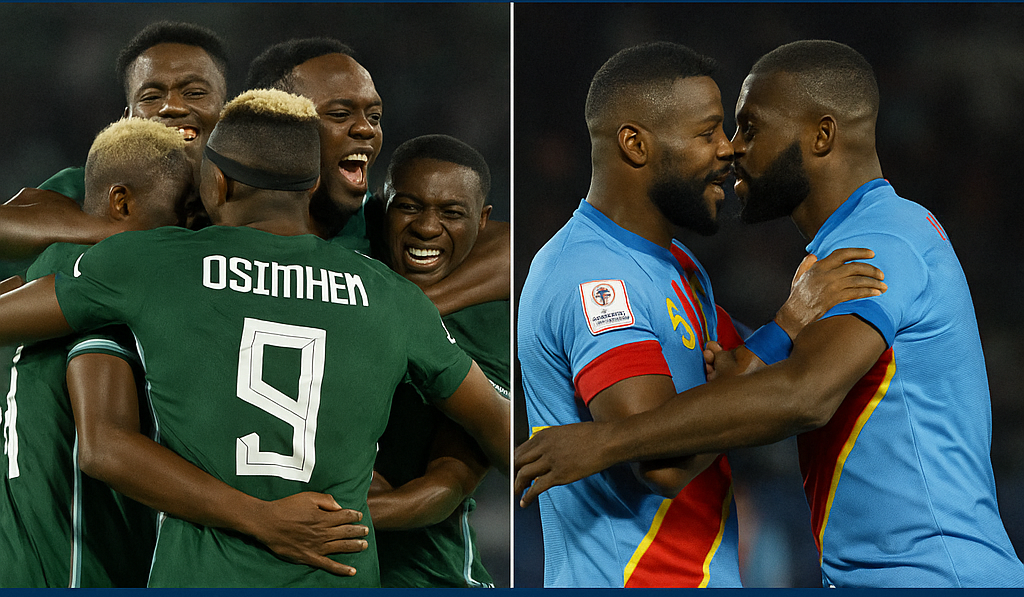
Then there is Nigeria, which remains a pressure point in African football even when the conversation moves between concrete tournament planning and continental expectation. Nigeria carries a different kind of burden: historic visibility, enormous fan energy, and the demand to always symbolize possibility. In every World Cup season, Nigeria becomes part of the emotional weather of African football because the country represents what many fans want Africa to be on the global stage—fearless, stylish, loud, difficult to ignore, and impossible to separate from diaspora passion.
That wider emotional climate is also visible in CAF-linked competitive momentum around African national teams, including recent qualifying coverage involving countries like Nigeria and Cameroon. Even when those stories sit outside the men’s World Cup spotlight, they help show a larger truth: African football is arriving in this era with the kind of defining World Cup tests that sharpen belief across the continent.
And that brings us to the part of the story that may prove just as important as the football itself: the supporters.
A debate is emerging over whether African fans will receive proper access, logistical support, and visibility at this World Cup. Reporting highlighted through Al Jazeera has added weight to concerns that supporters from the continent could once again feel underserved by the systems surrounding the game, even while their emotional and cultural presence helps define its atmosphere.
That should not be treated as a side issue. It is central.
For African and diaspora communities, the World Cup has never been only about ninety minutes. It is about travel, cost, visas, belonging, symbolism, and whether fans from outside the wealthiest football corridors are welcomed as participants or tolerated as spectacle. If Africa is arriving at USA 2026 with real football credibility, then the fan experience should rise to that same level of respect.
This is where the story becomes bigger than Morocco, Senegal, or even any single squad list. Africa’s World Cup moment is really a double test.
The first test is competitive: can one of the continent’s teams turn real belief into a defining tournament statement?
The second is structural and cultural: can the world’s biggest football event properly hold African presence—not just on the pitch, but in the stands, in the host cities, and in the broader narrative of who this tournament is truly for?
That is why this month matters so much. Preparation windows are closing. Public expectation is crystallizing. Tactical conversations are sharpening. Diaspora excitement is rising. And for once, Africa is not entering the conversation from the margins.
It is entering from the center, carrying both proof and pressure.
Morocco’s readiness gives the moment shape. Senegal’s belief gives it energy. Nigeria’s symbolic weight reminds us how much expectation African football always carries on Africa’s road to 2026. The fan-access debate gives the entire story moral urgency.
So the defining World Cup question may no longer be whether Africa can shock the world.
The sharper question is whether Africa can finally take up the space its football, its supporters, and its global cultural force have already earned.
Read Next
- 🇨🇩 DR Congo vs 🇯🇲 Jamaica: A Defining Moment for Africa’s World Cup Dream
- 🇨🇩 HISTORY MADE: DR Congo Storms Into the 2026 World Cup — A Victory for All Africa
- Four Nations, One Hope: Africa’s Road to 2026 and the Dream of a Final-Four Finish
Discover more from ADUNAGOW Magazine
Subscribe to get the latest posts sent to your email.