South Africa’s Xenophobia Panic Is Testing Pan-African Trust
There is a reason the current South Africa xenophobia story feels bigger than a fact-check dispute.
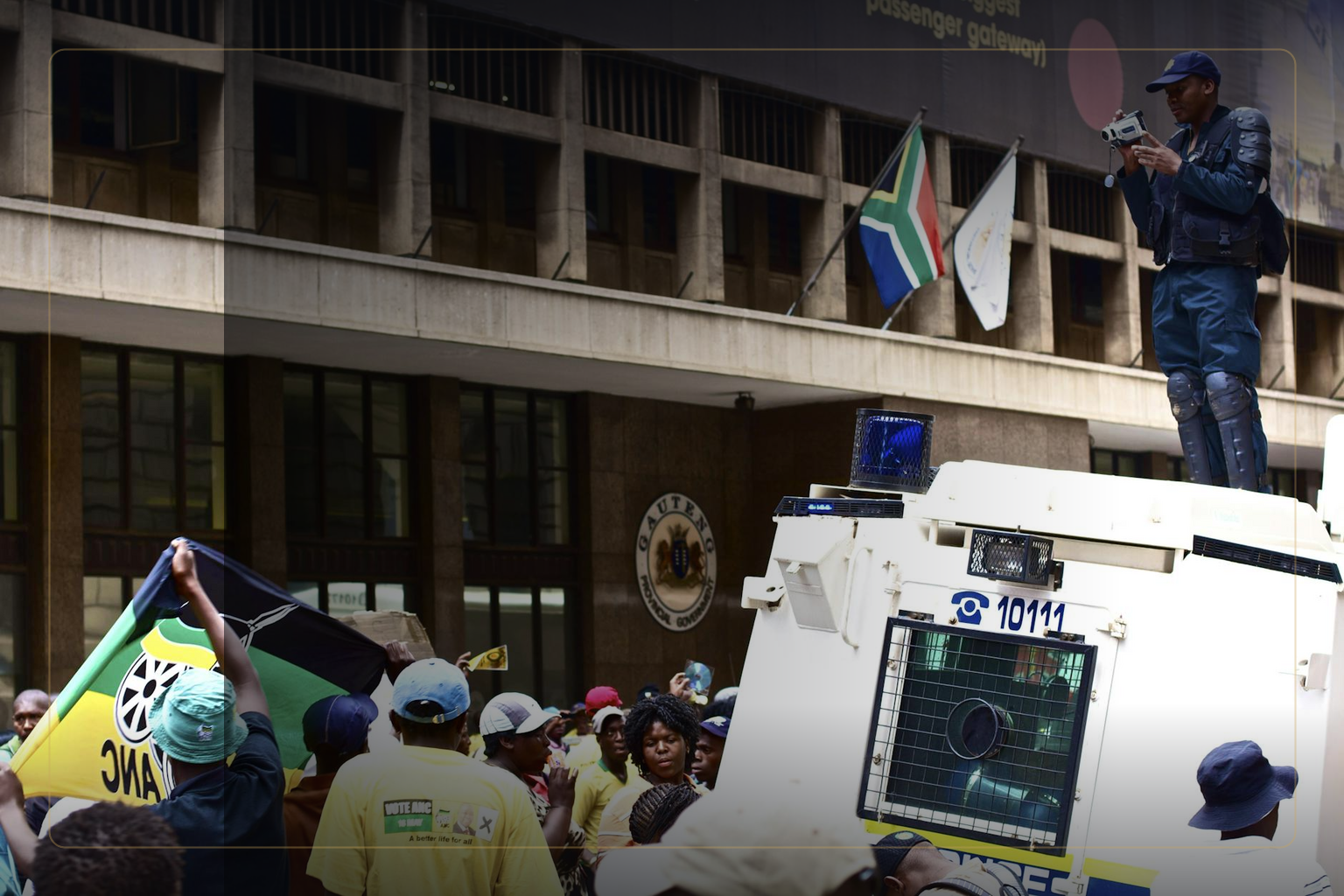
Yes, South Africa’s government has condemned widely shared videos and images said to depict xenophobic attacks, calling some of them fake or misleading. And according to the BBC, that official caution matters: the current protests have been described as largely peaceful, with no official reports in this wave of looting of foreign-owned shops or violent attacks on undocumented migrants.
That is an important guardrail. It means serious journalism should resist the temptation to flatten the story into a lazy headline about confirmed mass xenophobic violence.
But that is not the same thing as saying nothing serious is happening.
Because across the continent, African governments are reacting as though the danger is real enough to demand action. Ghana has written to the African Union, warning of a “serious risk to the safety and wellbeing” of Africans in South Africa and asking that the matter be discussed. Nigeria has raised the issue and offered to repatriate its nationals. Kenya, Malawi, Lesotho, and Zimbabwe have warned citizens in South Africa to remain alert.
Ghana has also done something especially revealing. Its foreign ministry confirmed the safe return of Emmanuel Akowuah Asamoah, the Ghanaian national seen in a widely circulated video linked to the xenophobia scare. Accra says he arrived back in Ghana on 5 May 2026 alongside the Ghanaian High Commissioner. Before that, Ghana had summoned South Africa’s acting high commissioner to formally express concern. Ghana’s High Commission in Pretoria also said it tracked down Asamoah, verified his safety, and urged Ghanaians in South Africa to follow official advisories and report incidents.
That sequence matters because it shows this crisis is no longer defined only by whether every clip on social media is authentic. The diplomatic reaction is authentic. The fear is authentic. The collapse of confidence is authentic.
And that may be the hardest truth in this whole story: Africans becoming foreigners to one another is no longer an abstract fear.
Pan-African solidarity has always sounded strongest when spoken in the language of history, liberation, and shared destiny. It is one thing to say Africans belong to one another across borders. It is another thing to prove that idea when unemployment rises, public frustration hardens, and migrants become convenient symbols for deeper national anxieties.
What is happening now exposes the difference between a continental slogan and a continental ethic.
If South Africa says the present wave is being distorted by misleading media, then one response is to insist on verification and calm. That is fair. But another response is to ask why so many Africans across the continent were ready to believe the worst in the first place. Fear does not spread that quickly in a vacuum. It spreads where trust is already weak.
That is what gives this moment its wider diaspora power.
Africans in Europe and North America already know how anti-immigration politics works. They know the emotional script: outsiders are blamed for economic pressure, social decline, insecurity, and state failure. What makes the South Africa moment especially painful is that the same emotional machinery is now being felt inside Africa, among fellow Africans, under the banner of protecting the nation.
So even if some videos misled audiences, they still tapped into a believable wound.
That wound is the feeling that African movement inside Africa can become conditional very quickly. Today it may be a trader, a worker, a student, or an undocumented migrant. Tomorrow it becomes a broader message: your welcome lasts only as long as the political mood allows.
That has consequences far beyond this week’s headlines. It shapes whether Africans see cross-border mobility as possibility or danger. It affects whether regional integration feels practical or performative, especially for readers already living through the visa wall now shaping African mobility beyond the continent. It tests whether free-movement ambitions can survive real public pressure from below, not just applause from leaders above.
South Africa’s role in this conversation is especially significant because it is not just any country in the continental imagination. It carries economic weight, liberation symbolism, and outsized influence. When tension around foreign Africans rises there, the shockwaves move quickly. Other governments cannot simply ignore it. Their citizens will not let them. That symbolism also sharpens the accountability test facing Ramaphosa.
This is also why the issue has become a credibility crisis for institutions. Social media can inflame. Politicians can exploit. But states and regional bodies still have a duty to restore confidence with speed, transparency, and visible protection. That means two things must happen at once: misinformation must be challenged, and migrant fear must be treated as legitimate.
Choosing only one side of that equation will fail.
If leaders focus only on debunking false footage, they risk sounding indifferent to the people who feel exposed. If they focus only on panic, they risk amplifying claims that have not been fully verified. Responsible leadership has to be more mature than either extreme.
That is the real test now.
Not simply whether South Africa can deny misleading content.
Not simply whether other governments can issue warnings.
But whether African states can build a political culture where an African living in another African country does not become instantly disposable when tensions rise.
Because once that confidence breaks, the damage travels much further than one protest cycle. It reaches the student thinking about where to study, the entrepreneur deciding where to invest, the family wondering whether intra-African migration is worth the risk, and the diaspora observer asking a painful question: if Africans can become foreigners to Africans this easily, what exactly is Pan-Africanism protecting?
Until that question has a better answer, the current panic will remain more than a viral episode.
It will remain a warning.
Read Next
- When Africans Become Foreigners to Africans
- When the Reform President Becomes the Accountability Test
- The Visa Wall: Why Falling African Travel to America Is Really a Diaspora Business Story
Discover more from ADUNAGOW Magazine
Subscribe to get the latest posts sent to your email.