Africa has shaped Olympic history through its athletes. With Dakar 2026, it takes a historic place as host.
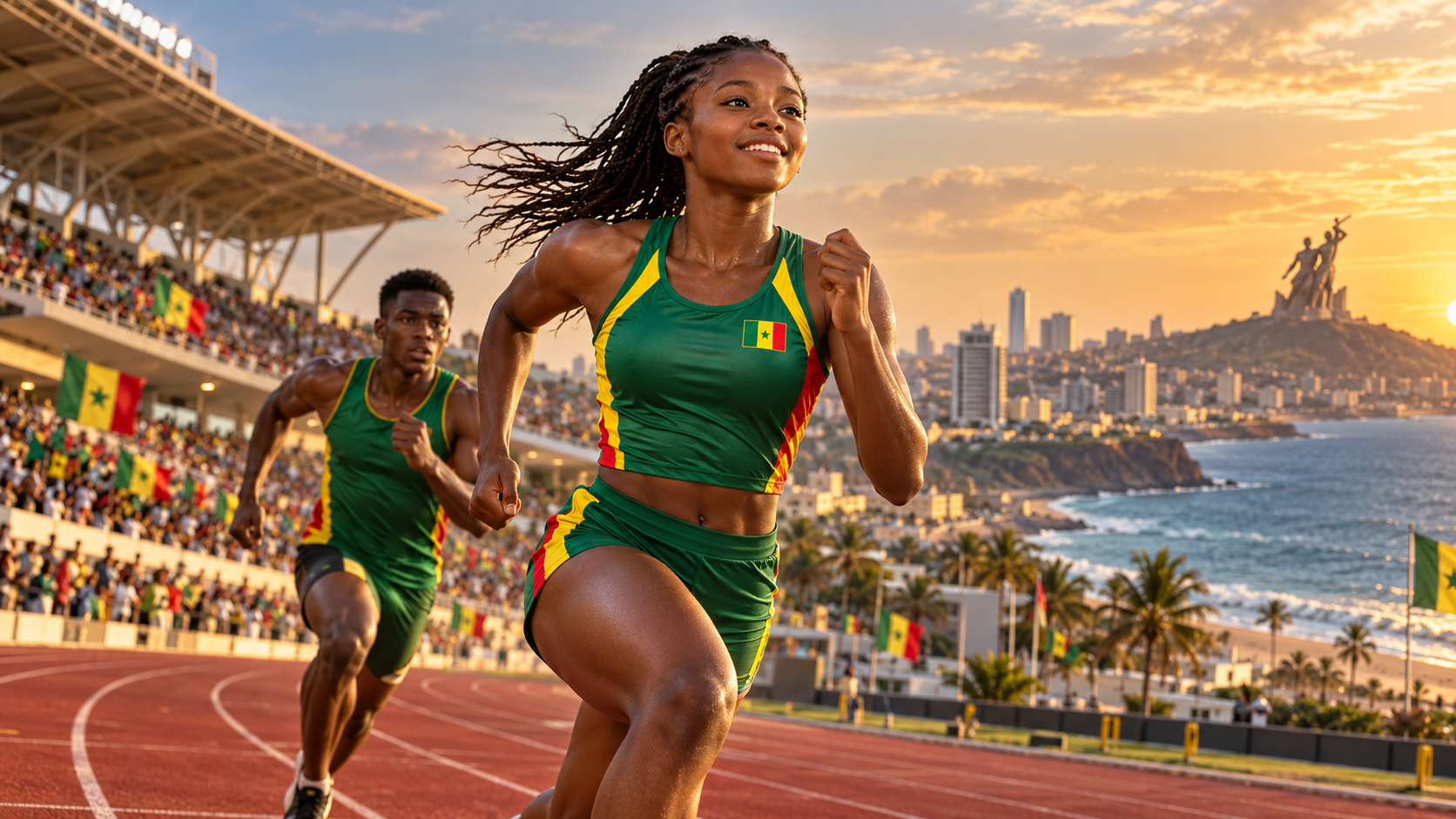
From October 31 to November 13, Senegal will stage the fourth Summer Youth Olympic Games, becoming the first African country to host an Olympic sporting event. Approximately 2,700 young athletes are expected, with activities spread across Dakar, Diamniadio and Saly. The opening ceremony takes place October 31, although Baseball5 competition begins a day earlier.
For Senegal, the occasion carries national pride. For Africa and its diaspora, it offers something equally compelling: an opportunity to see the continent set the scene for an Olympic gathering, with its communities, culture and young people at the center.
The significance is immediate. The lasting value will depend on what follows.
A global competition with youth at its heart
The Youth Olympic Games give emerging athletes an international stage while connecting competition with education and cultural exchange.
Dakar’s programme includes 25 competition sports and 10 engagement sports, with 153 medal events. That distinction matters: some sports will crown champions, while others will introduce participants to new activities. The official programme also provides for full gender balance across sports, disciplines and events.
For young spectators, the invitation extends beyond following a scoreboard. Discovering an unfamiliar sport can be the beginning of participation—provided there is somewhere to train, equipment to use and a coach available afterward.
That is where an Olympic experience can become a practical opportunity.
Senegal’s welcome, Africa’s moment
The Games bring together three different settings: the capital of Dakar, the developing urban center of Diamniadio and the coastal destination of Saly. Organizers have placed Senegal’s tradition of teranga, or hospitality, within their vision for the event.
Together, these locations offer an opportunity to present Senegal through sport, daily life and cultural exchange.
For international audiences, the responsibility is to look closely. Senegal is a particular country with its own institutions, creative voices and sporting ambitions. Hosting an event of continental significance should deepen that understanding.
For African and diaspora audiences, Dakar 2026 also opens a conversation about who gets to organize, narrate and benefit from global sport. Athletes are the most visible participants, but the people managing venues, producing coverage, welcoming visitors and running competitions help shape the experience.
Their expertise deserves attention alongside the performances.
An Olympic first for young refugees
Dakar 2026 will also welcome the first Refugee Olympic Team to compete at a Youth Olympic Games.
The six athletes, based in Africa and hosted by the National Olympic Committees of Kenya and Uganda, are set to compete in athletics, judo and taekwondo. The team includes equal numbers of female and male athletes.
Their participation gives the Games’ message of inclusion a concrete expression. Displacement can interrupt schooling, separate families and make sustained access to training difficult. An international competition offers these young people recognition as athletes, with abilities and ambitions deserving of investment.
The meaningful follow-through will be continued access to coaching, education and competition after Dakar.
The opportunity beyond the podium
Organizers and the International Olympic Committee have linked Dakar 2026 to broader goals in education and professional development.
According to the IOC, the Dakar 2026 Learning Academy has trained hundreds of young professionals from Senegal and elsewhere in Africa in Games planning, sports operations and specialist roles. Olympic values education programmes aim to reach as many as 900,000 young people across 11,000 schools in Senegal. These are stated programme targets, rather than proof that every intended beneficiary has already been reached.
The potential is substantial. Experience delivering a major event can help people build careers in logistics, communications, hospitality and sports administration.
Realizing that potential requires continuity. Training should lead to recognized skills, professional networks and routes into paid work. School outreach should connect interested children with accessible opportunities to participate.
The Games can create momentum. Institutions must sustain it.
A legacy that must be measured
There is also a responsibility to the workers making the event possible.
The organizing committee and the International Labour Organization have established a cooperation agreement focused on labour rights, working conditions, occupational safety, fair remuneration and social protection. Running through December 2027, the partnership covers preparations, the Games and the period afterward.
That provides a useful framework for judging the event’s social promises. The questions are practical: Were workers protected? Did young professionals gain durable employment prospects? Can local communities afford to use the facilities left behind?
These questions strengthen the celebration by giving its ambitions a standard against which to be assessed.
Dakar 2026 deserves recognition for the history it makes. It also deserves sustained coverage after the closing ceremony, when international attention moves elsewhere and local communities begin living with the results.
For ADUNAGOW Magazine’s readers across Africa and the diaspora, this is a moment to follow the athletes, discover Senegal and pay attention to the people building the event around them.
The medals will record who excelled during the Games. The years that follow will reveal how widely Dakar’s opportunity was shared.
Follow schedules, results and event updates through the official Dakar 2026 website.
Discover more from ADUNAGOW Magazine
Subscribe to get the latest posts sent to your email.