Africa's housing crisis is not simply a shortage of buildings. It is also a financing challenge, one that raises a fundamental question: Can African financial institutions mobilize more of the continent's own capital to provide the homes its growing population needs?
Shelter Afrique Development Bank (ShafDB) is betting that they can.
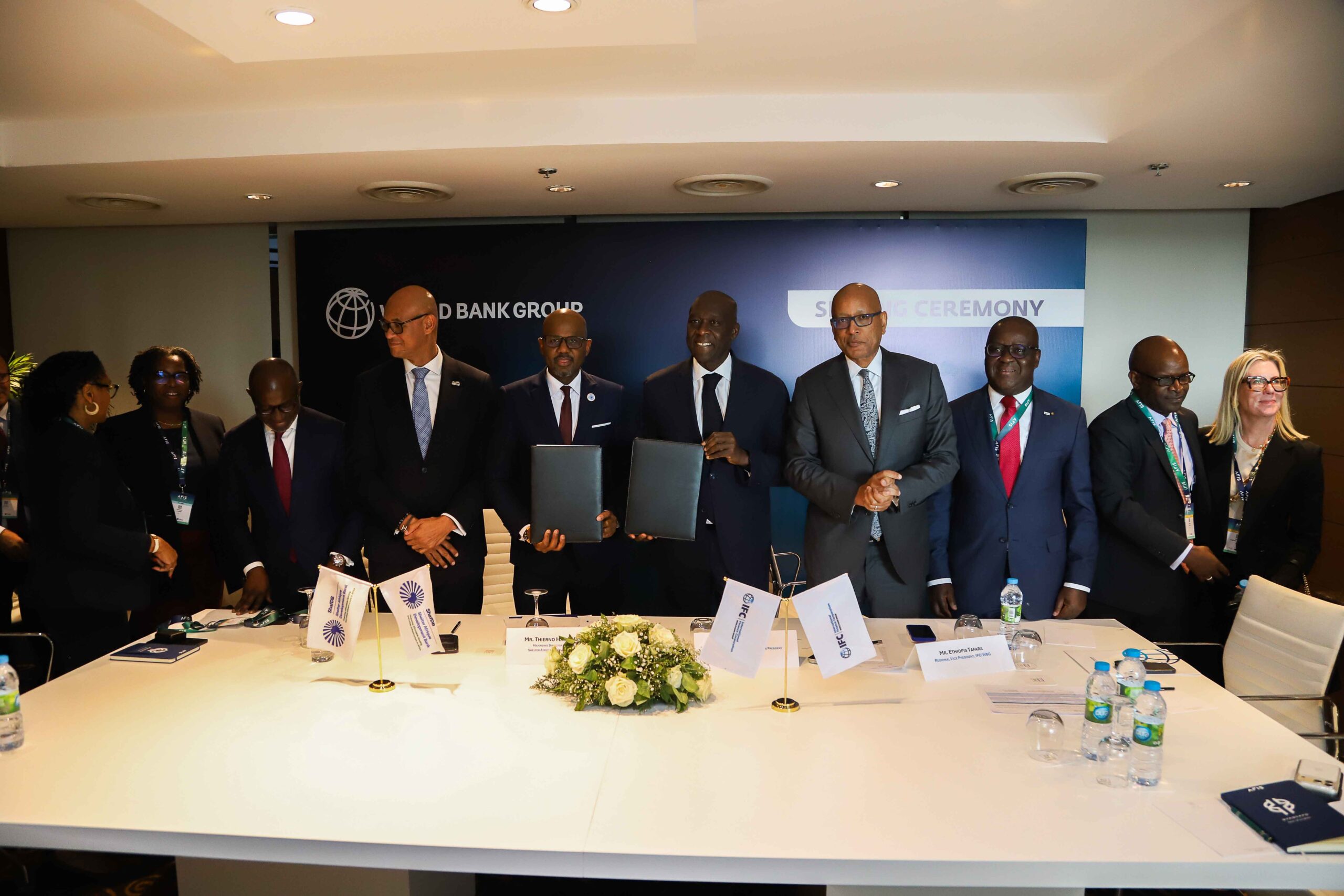
The Nairobi-based pan-African development bank announced on November 10 that it had successfully closed a FCFA 60 billion sustainable bond, approximately US$100 million, to support affordable and environmentally sustainable housing across the West African Economic and Monetary Union (WAEMU).
The transaction brings together major African and international financial institutions, including the International Finance Corporation (IFC), Ecobank Group and the West African Development Bank (BOAD).
Beyond the headline figure, the financing initiative represents an opportunity to strengthen regional capital markets while addressing one of Africa's most persistent development challenges.
A New Financing Model for West African Housing
The bond targets housing investment across the eight WAEMU member countries: Benin, Burkina Faso, Côte d'Ivoire, Guinea-Bissau, Mali, Niger, Senegal and Togo.
Subscriptions were open from October 7 to October 30, 2026, with two investment tranches structured over five and seven years, carrying interest rates of 6.10% and 6.30%, respectively.
CGF Bourse served as lead arranger, with UCA as co-lead manager. IFC and Ecobank Group, through Ecobank Senegal, participated as anchor investors.
The importance of their involvement extends beyond the money committed. Participation by established financial institutions can help strengthen investor confidence in a market where long-term housing finance remains difficult to obtain.
It also demonstrates how regional and international partners can work together to channel investment into African development priorities.
The Housing Shortage Behind the Investment
Across WAEMU, rapid urbanization, population growth and limited access to affordable financing continue to place pressure on housing markets.
According to World Bank Group estimates cited by Shelter Afrique, the region faces a housing deficit of approximately 3.5 million units, with nearly 250,000 additional homes required annually to meet growing demand.
The bank says its initial sustainable housing pipeline encompasses 17,554 housing units and has the potential to generate approximately 87,772 jobs.
Those figures represent projected development outcomes rather than homes already constructed or jobs already created.
Even if the pipeline is fully realized, its scale illustrates both the opportunity and the challenge. Delivering 17,554 homes would represent only about half of one percent of the region's estimated existing housing deficit.
The financing therefore marks an important contribution, but not a solution on its own.
For the initiative to succeed, capital mobilization must eventually translate into completed projects, accessible housing finance and homes priced within reach of the households they are intended to serve.
Why Financing in African Currency Matters
One of the most significant features of the transaction is its denomination in West African CFA francs.
African infrastructure and property projects have often faced difficulties when borrowing in foreign currencies while earning revenue locally. Exchange-rate movements can increase repayment costs and expose borrowers to financial instability.
By raising capital in the same currency used by many of the projects it intends to support, Shelter Afrique aims to reduce this mismatch.
The approach may also create additional opportunities for regional institutional investors seeking long-term investments tied to African economic growth.
For countries working to strengthen their domestic financial systems, the broader implications are significant.
Instead of relying exclusively on overseas funding, African institutions can increasingly explore mechanisms that connect regional savings with local development needs.
This is particularly relevant to housing, where financing typically requires long repayment periods and predictable funding conditions.
Sustainable Housing Beyond Construction
The initiative also emphasizes environmental sustainability, reflecting growing recognition that Africa's housing expansion must consider energy efficiency, climate resilience and responsible resource use.
Shelter Afrique developed its Sustainable Finance Framework with support from the Global Green Growth Institute (GGGI).
The framework is intended to guide financing instruments that support green and social development priorities. Shelter Afrique reports that it received a favorable second-party opinion from S&P Global Ratings assessing its alignment with recognized sustainable finance principles.
The bank says proceeds from the bond will be directed toward affordable, sustainable and energy-efficient housing.
That ambition is particularly important for rapidly growing African cities, where construction choices made today will influence energy consumption, household costs and climate resilience for decades.
However, sustainable financing labels alone do not guarantee affordable homes or measurable environmental improvements.
Project selection, pricing, implementation and transparent reporting will be essential to determining whether the initiative achieves its stated goals.

African Partnerships Take Center Stage
The transaction also highlights the increasing role of African-led financial partnerships in addressing the continent's development needs.
Shelter Afrique Managing Director Thierno-Habib Hann described the bond as an example of the New African Financial Architecture for Development, an effort to mobilize more capital toward African priorities.
IFC Managing Director Makhtar Diop emphasized the importance of connecting African savings with investments capable of supporting housing construction, local businesses and employment.
Ecobank Group CEO Jeremy Awori similarly highlighted the wider economic value chain associated with housing, from land and building materials to property development, mortgage financing and homeownership.
This broader perspective matters.
A functioning housing sector does more than provide shelter. It supports construction businesses, creates demand for locally produced materials, generates employment and contributes to the development of communities.
When supported by responsible planning and affordable financing, housing investment can become a catalyst for wider economic activity.
The Next Challenge: Turning Capital Into Homes
Closing the bond represents a financing milestone. Delivering its promised impact will require sustained execution.
Key questions remain about where the housing projects will be located, how quickly financing will reach developers, what additional investment will be needed and which income groups will ultimately benefit.
The reported pipeline of more than 17,000 homes is substantially larger than what the bond's proceeds alone would finance at typical full construction costs in many urban markets. The contribution of co-financing, developer equity and other funding sources will therefore be important.
There is also the question of affordability.
A new housing development may be energy-efficient and financially viable while still remaining beyond the purchasing power of many households.
For Shelter Afrique and its partners, measuring success should therefore extend beyond capital raised or projects approved. It should include completed homes, household access, affordability and verified environmental benefits.
The planned listing of the bond on the Abidjan-based regional stock exchange, BRVM, could provide another milestone in the development of West Africa's sustainable finance market.

A Bigger Opportunity for Africa
Shelter Afrique's FCFA 60 billion bond represents more than a financing transaction.
It offers a practical example of how African financial markets can participate in funding the continent's long-term development.
As African cities expand and housing demand continues to grow, innovative financing will become increasingly important. But innovation must be matched by accountability, effective partnerships and measurable results.
The success of this initiative will ultimately be judged not by the size of the bond, but by the homes delivered, the families reached and the lasting economic opportunities created.
Africa's housing future will require more than ambitious investment announcements. It will require turning African capital into accessible homes and stronger communities.
Editorial note: This article is based on Shelter Afrique Development Bank's October 5, 2026 bond launch announcement, its November 10 closing announcement distributed to media, and publicly available information from the Global Green Growth Institute. Housing and employment estimates are projections supplied by the issuer.
Discover more from ADUNAGOW Magazine
Subscribe to get the latest posts sent to your email.